


Film Catalogue
Search through the whole catalogue and find a programme you cannot miss. Filter and sort by category, year, name, country and much more. Happy festival!
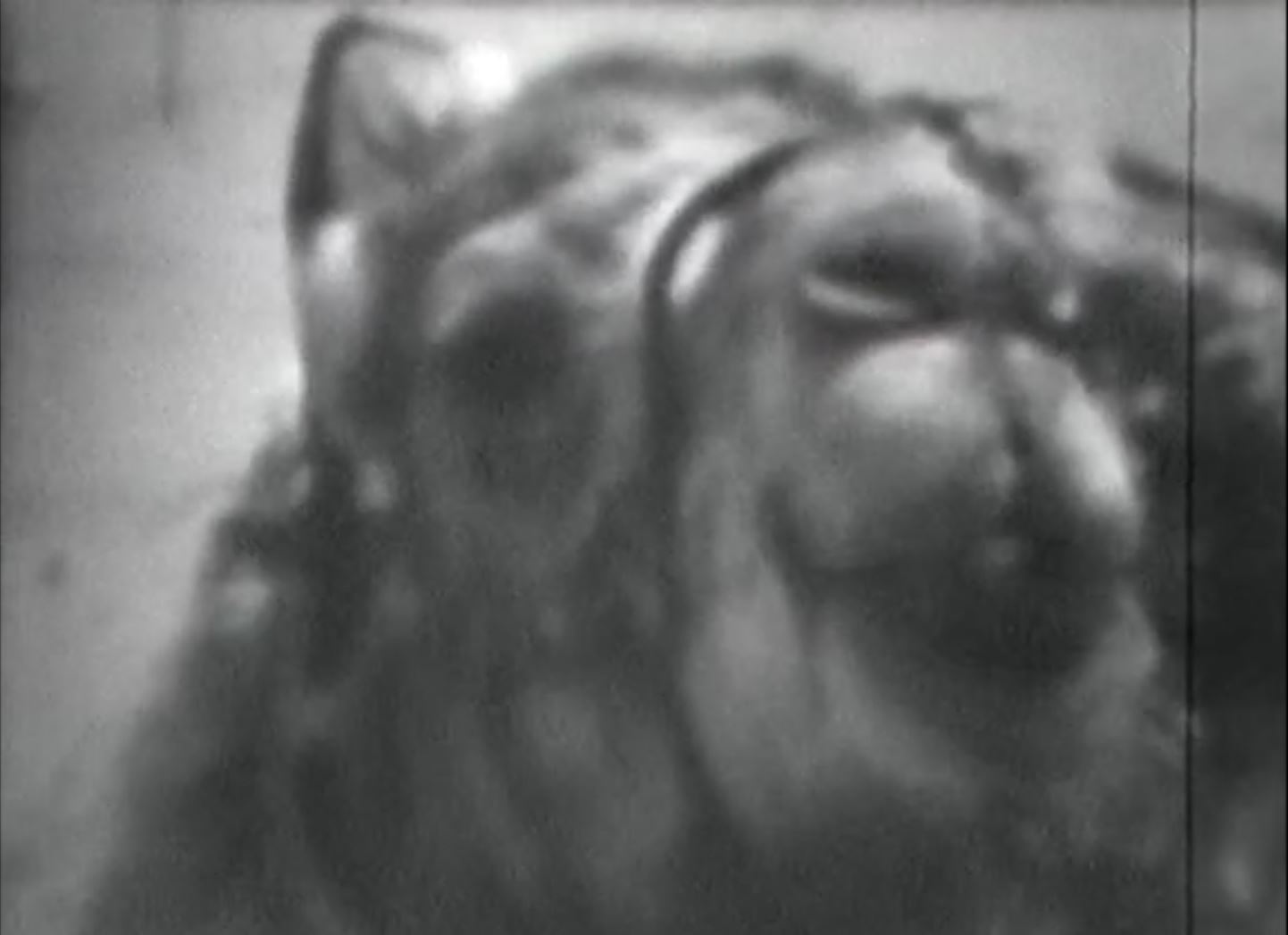
The camera focuses on a cud-chewing camel, the sound has been dubbed to give the impression of a distorted discourse on video art.
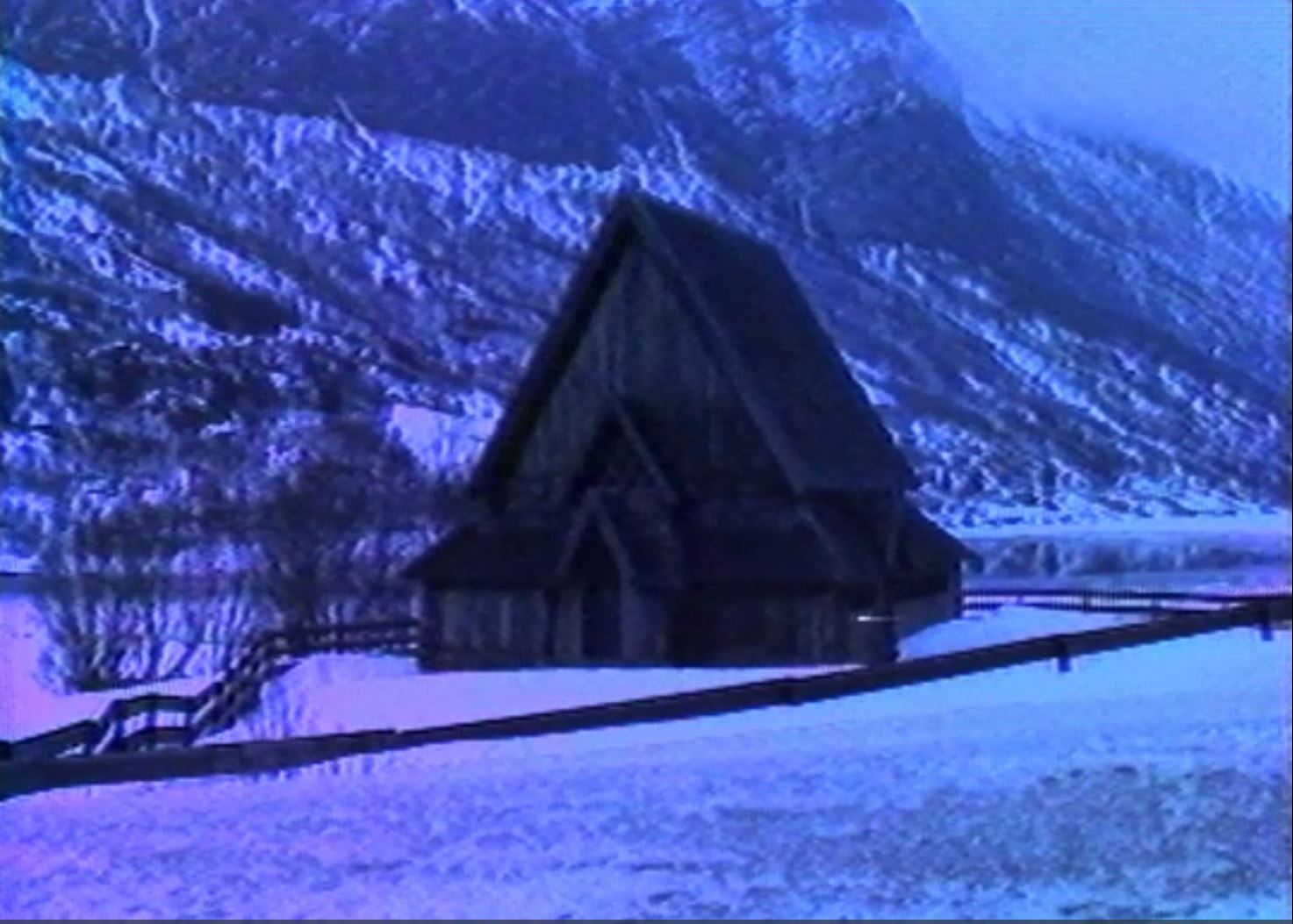
Postcard motives from Norway, in colours.
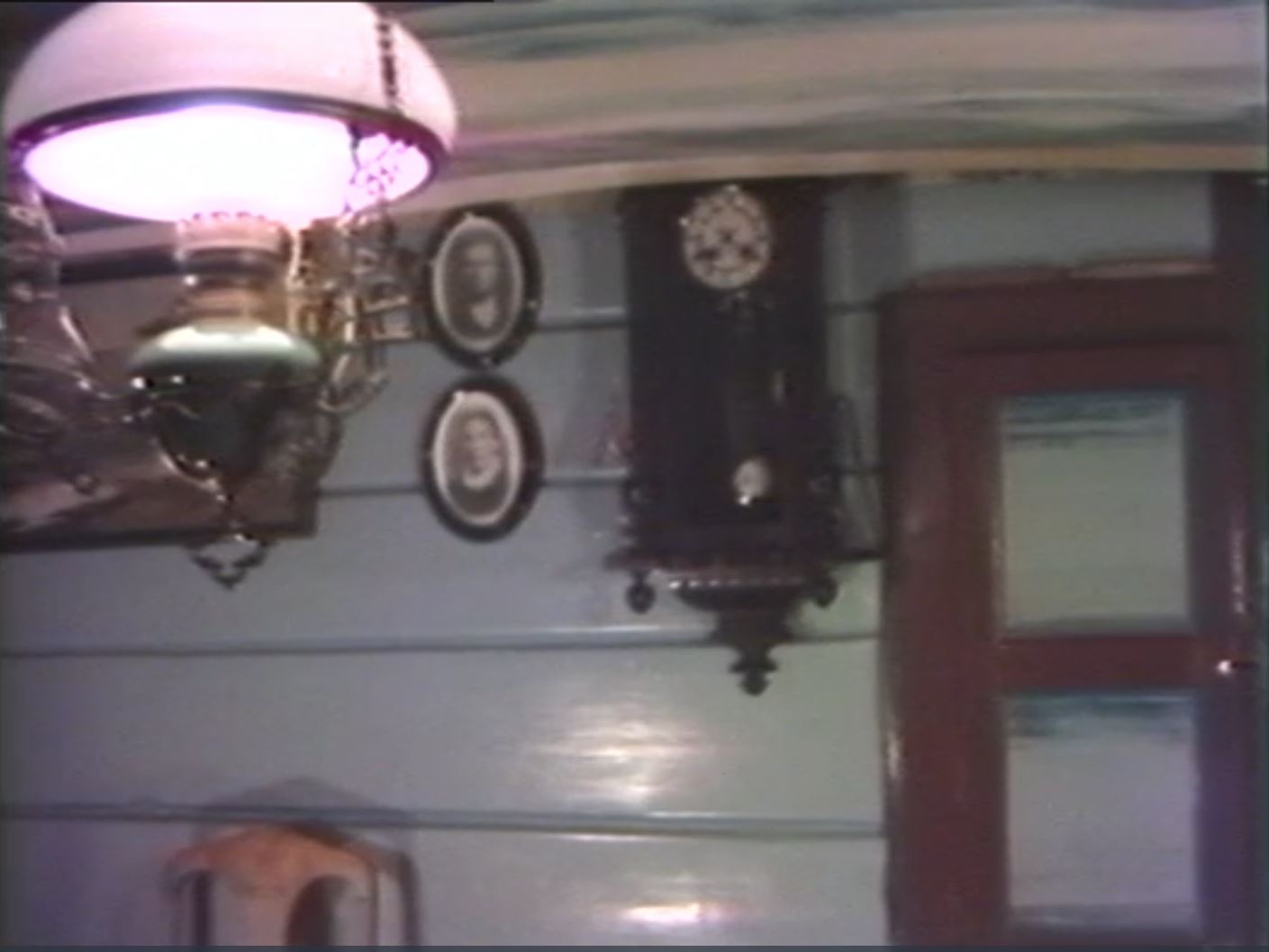
'The video was recorded with a Portapak and is in black and white. Norwegian landscapes are, after all, black and white in winter. I walk with the camera in Tafjord and record my own footsteps in a forest of birch trees. It is winter, the snow is wet and heavy, and it is utterly indescribably beautiful. Unfortunately, this video is short (...): the colder it was, the faster the battery ran flat. That’s how prosaic it was.'
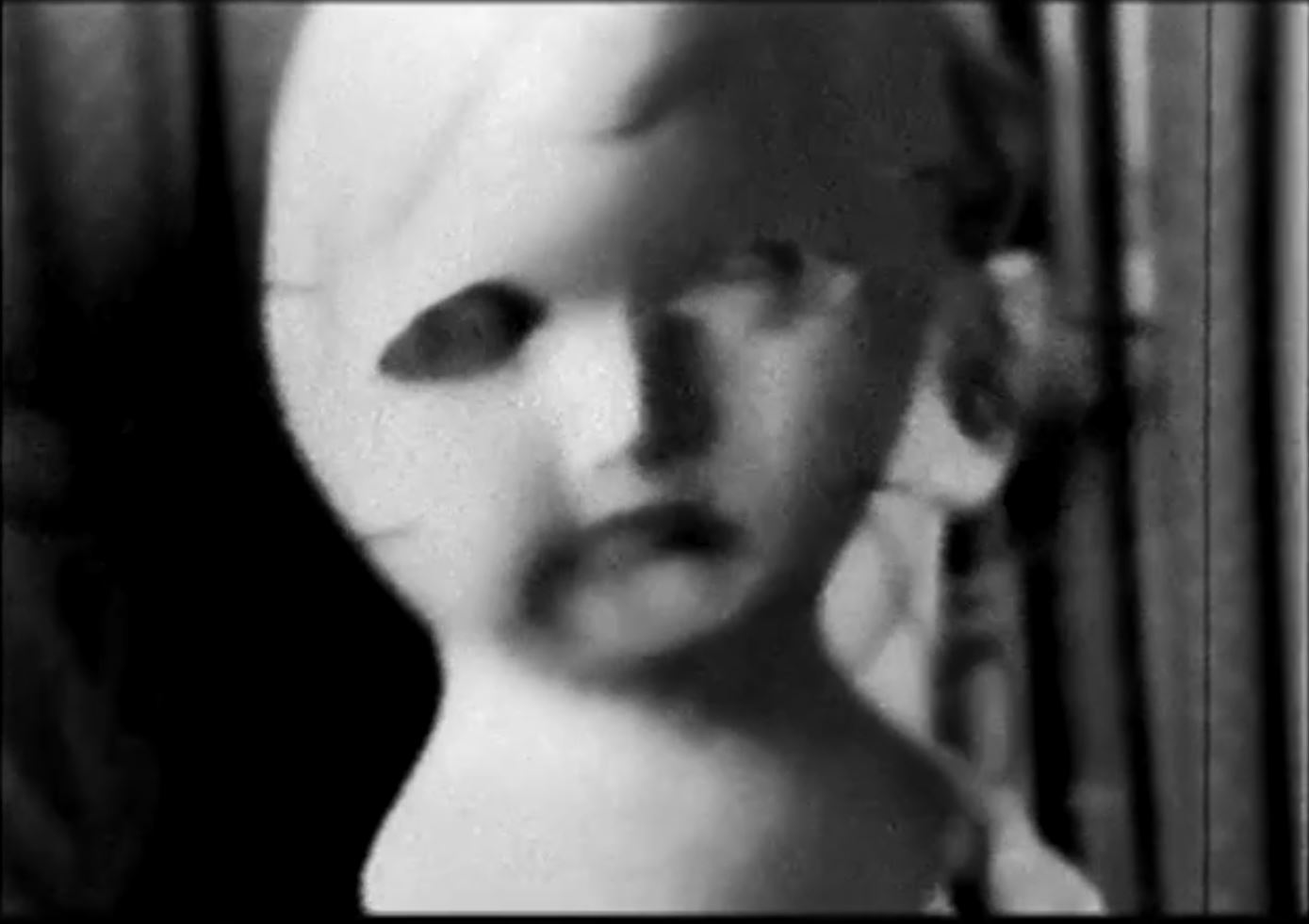
Video portraits of Anne and Peter, which entirely revolve around the idea that everyone plays their roles. 'I went to Speakers’ Corner and listened to those standing on their boxes preaching. One believed he was Jesus, so he invited me home to talk about what he was doing. Peter was fiery red-haired and a convinced Marxist, and Anne from Ireland was a super-feminist. Everyone is blessed in their own belief, you might say.'
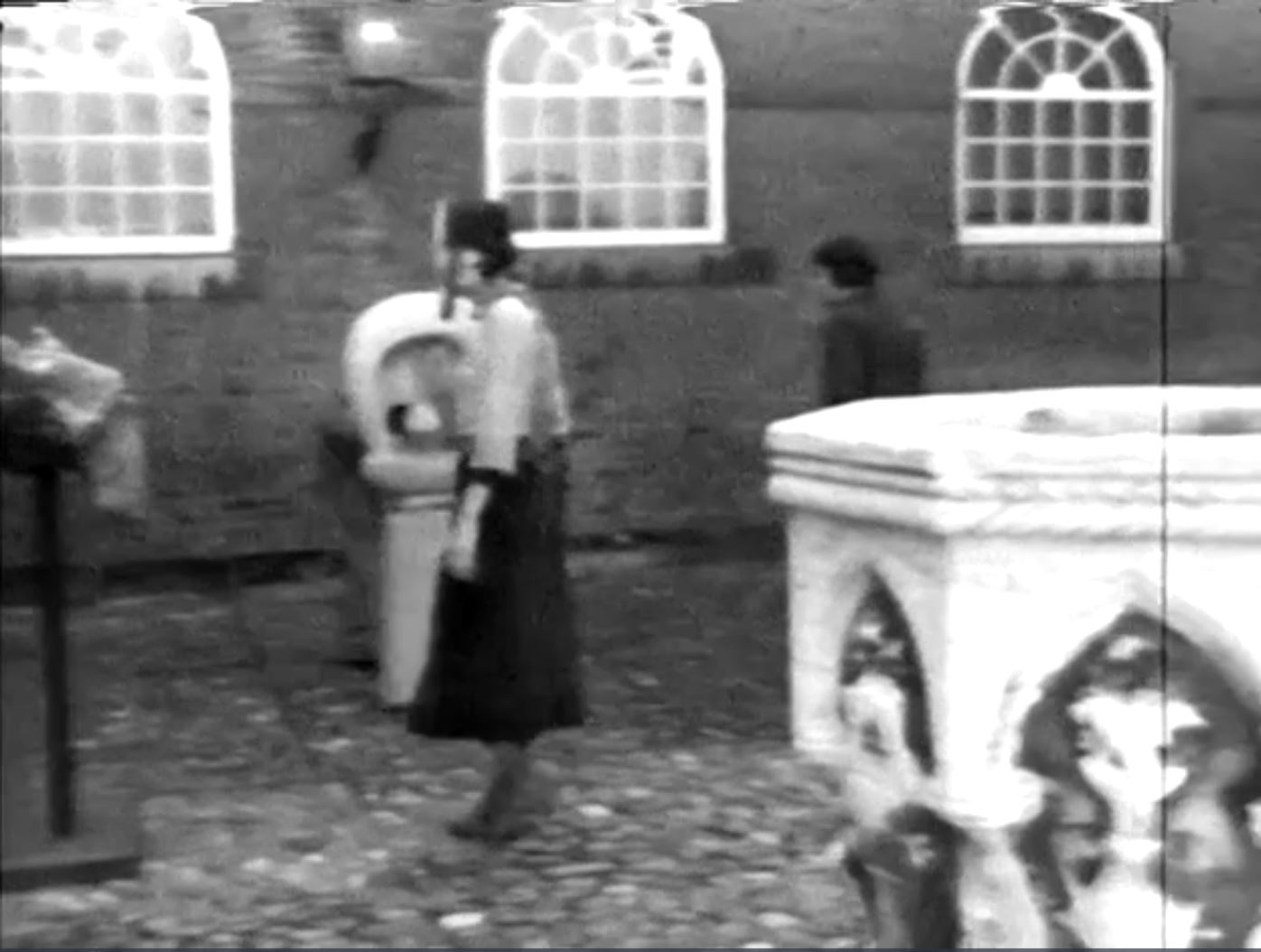
'I have been fascinated by William Shakespeare all my life. Already at the age of seventeen, I traveled to Stratford-upon-Avon and spent a summer there. In [this] video, I pursue themes related to roles and the stages on which they are played out — in this case the religious, the musical, the artistic, and the arena of life itself, which culminates in death.'
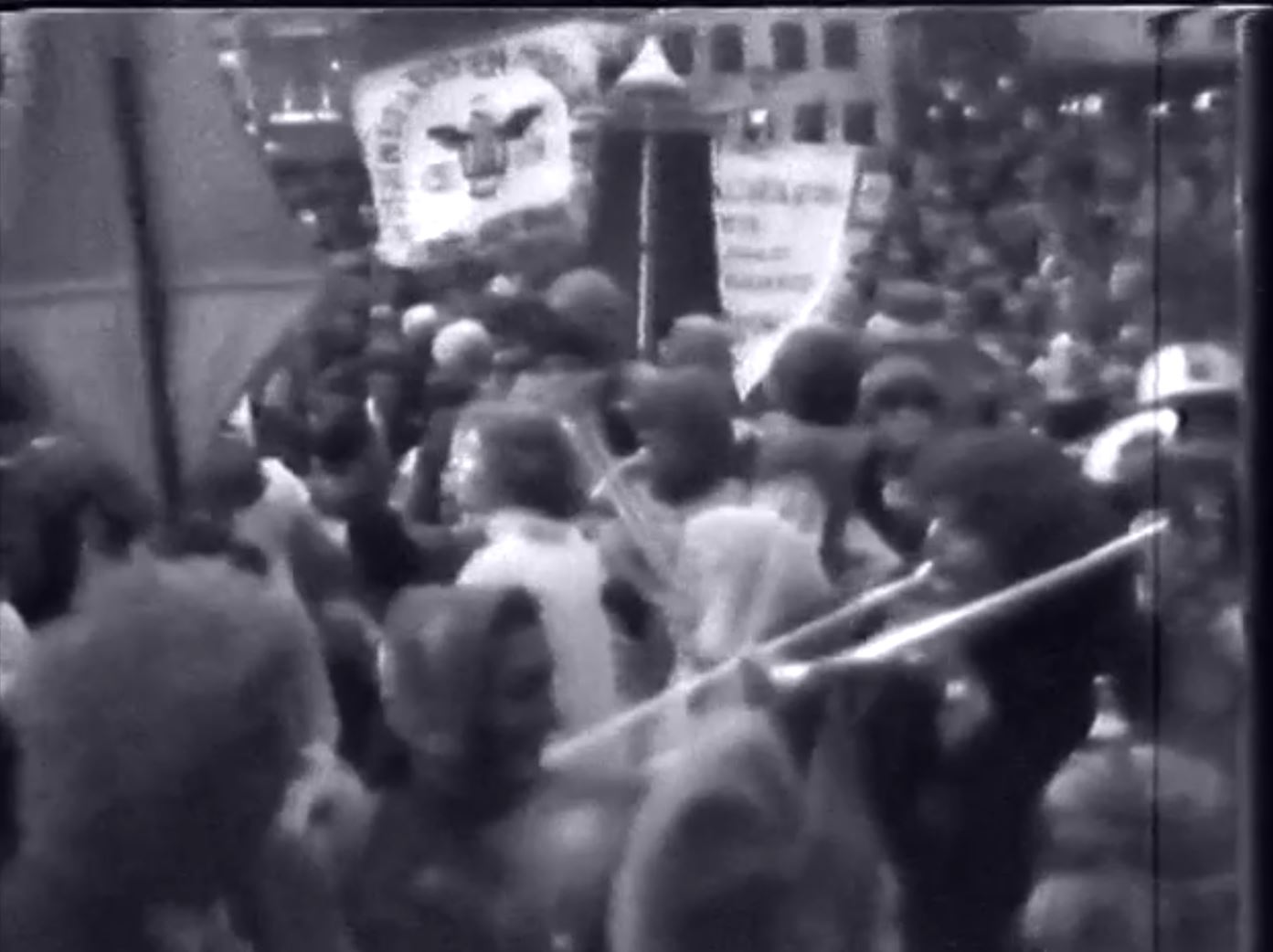
'Masquerade II was recorded in Maastricht. I filmed puppets wandering through the streets.'
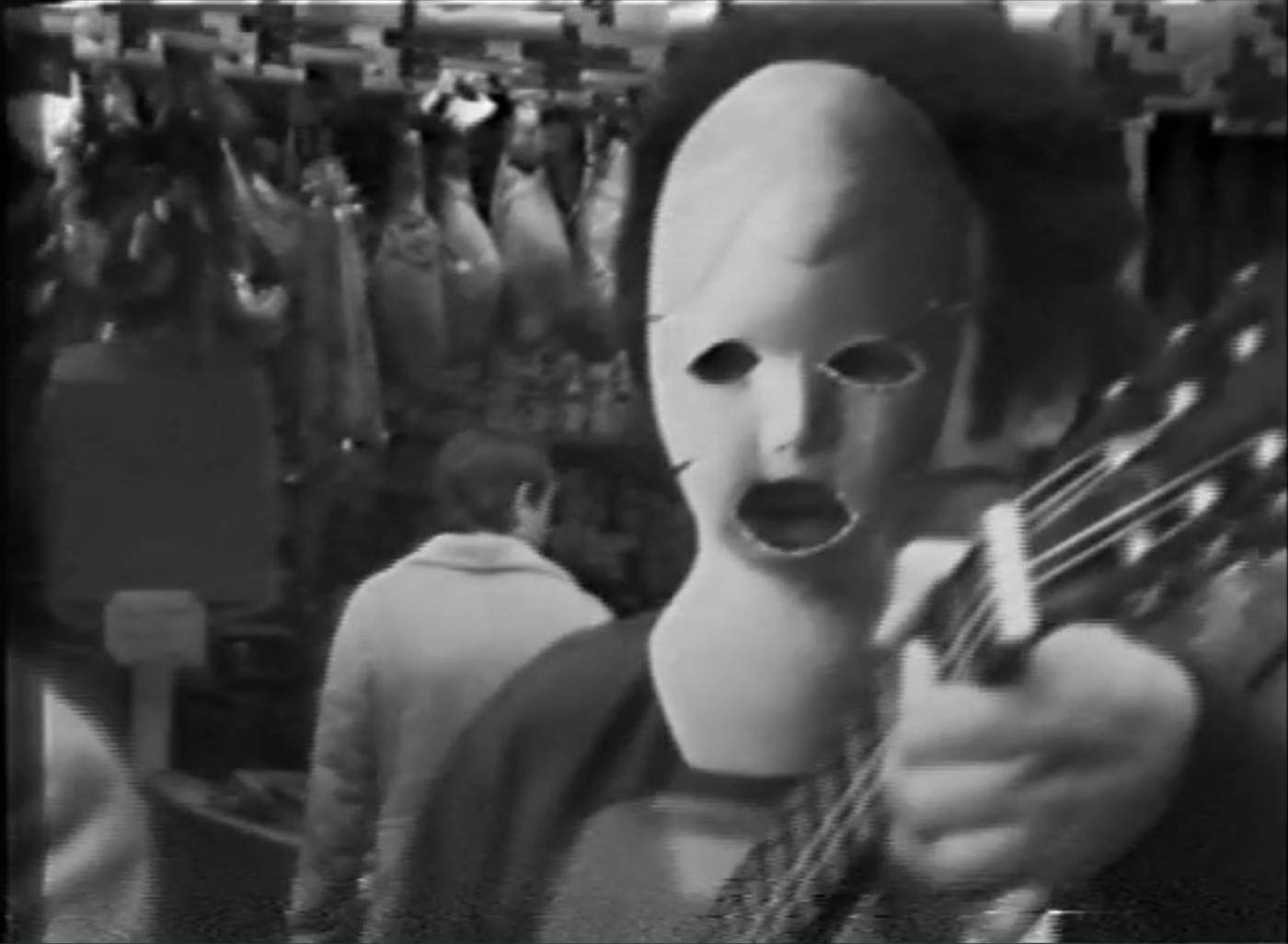
Shot in Paris, with people walking around wearing puppet masks.
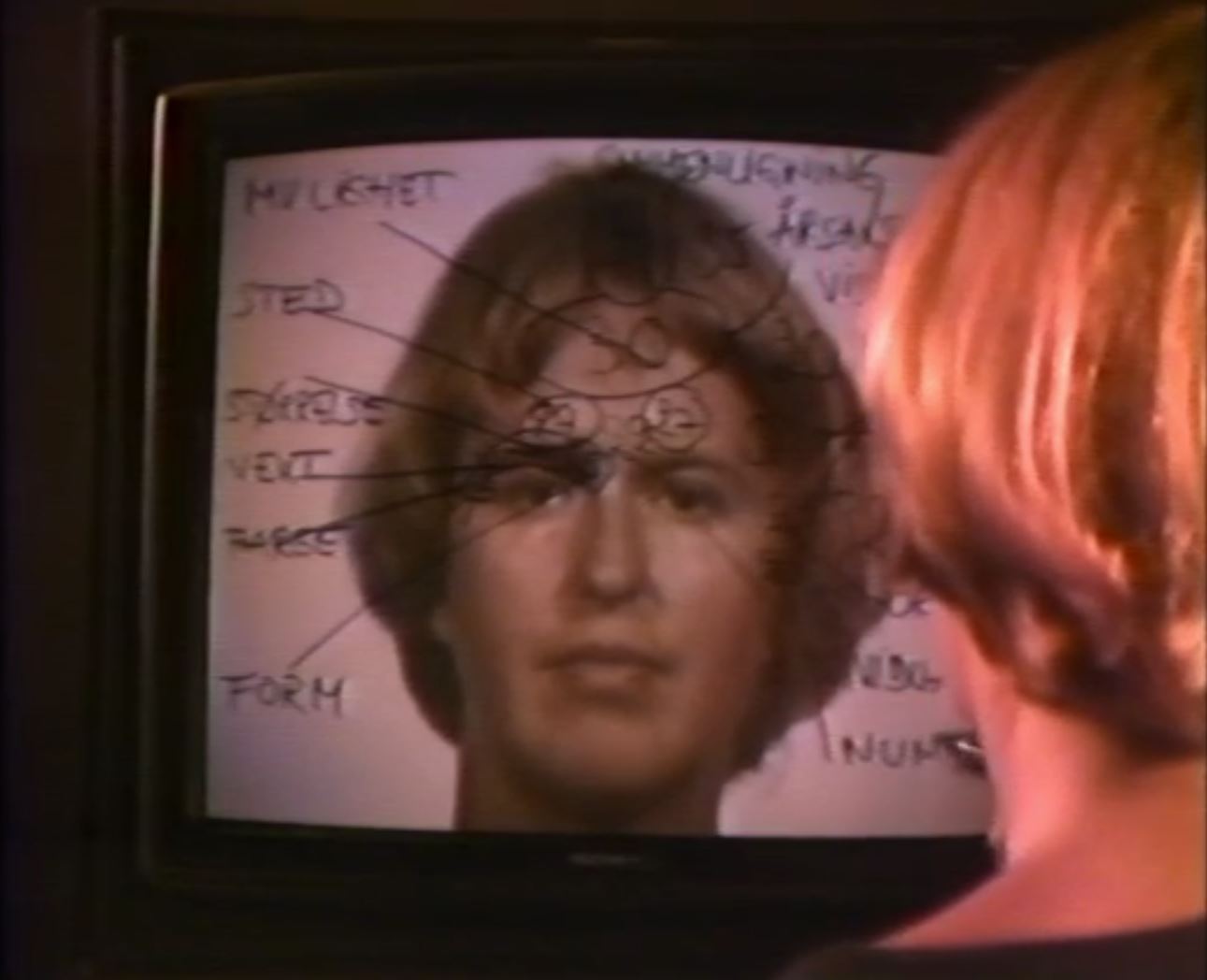
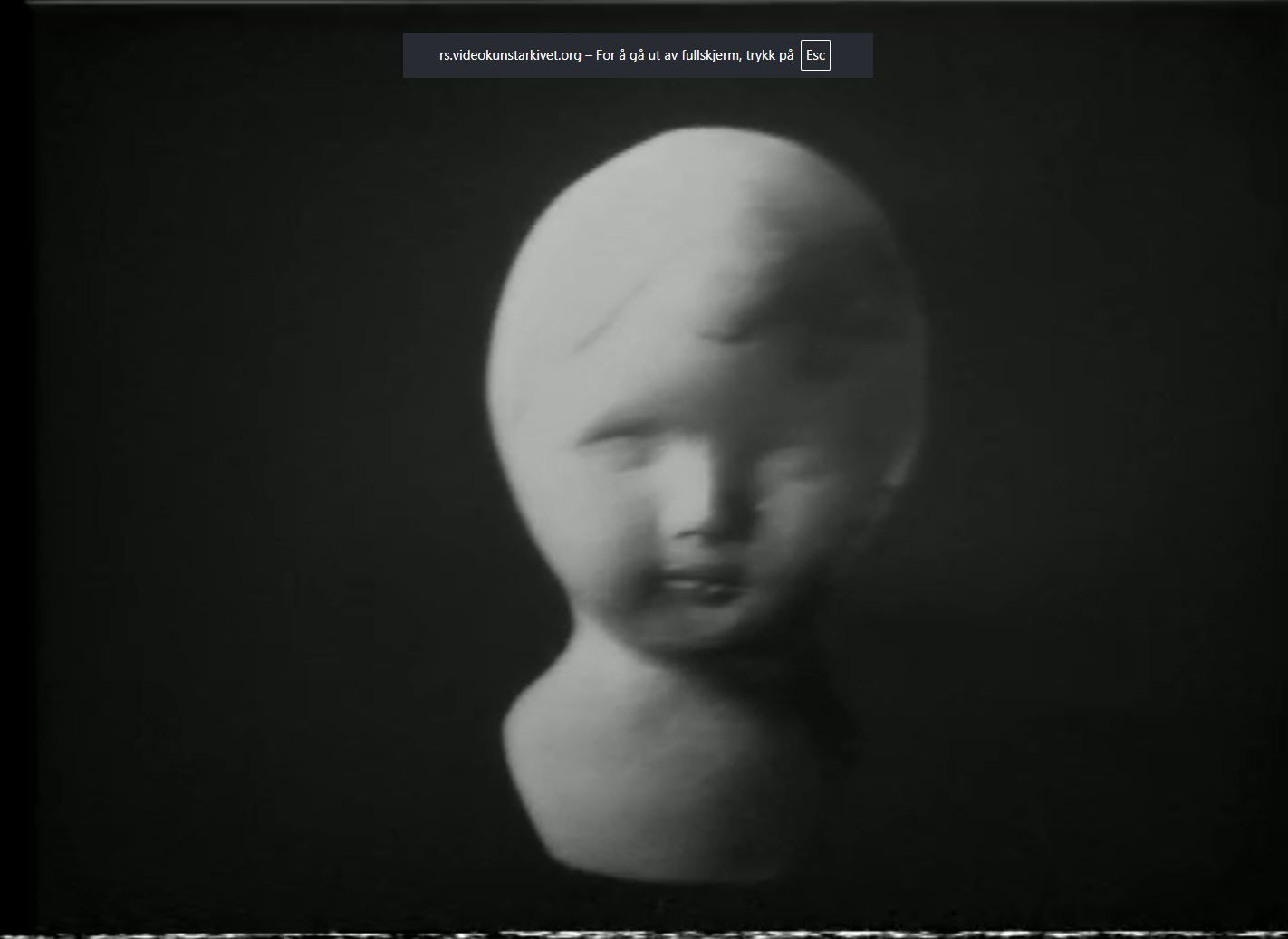
The idea underlying phrenology is the postulation of a connection between the skull’s external outline and the different areas of the brain, areas where talents and aspects of the personality are localised. Today, nobody takes the theory seriously. Marianne Heske makes use of it to ask questions. Are there eternal truths and values in science (and art)? And the things we believe in and practise today, what will history’s verdict be about them?