


Film Catalogue
Search through the whole catalogue and find a programme you cannot miss. Filter and sort by category, year, name, country and much more. Happy festival!
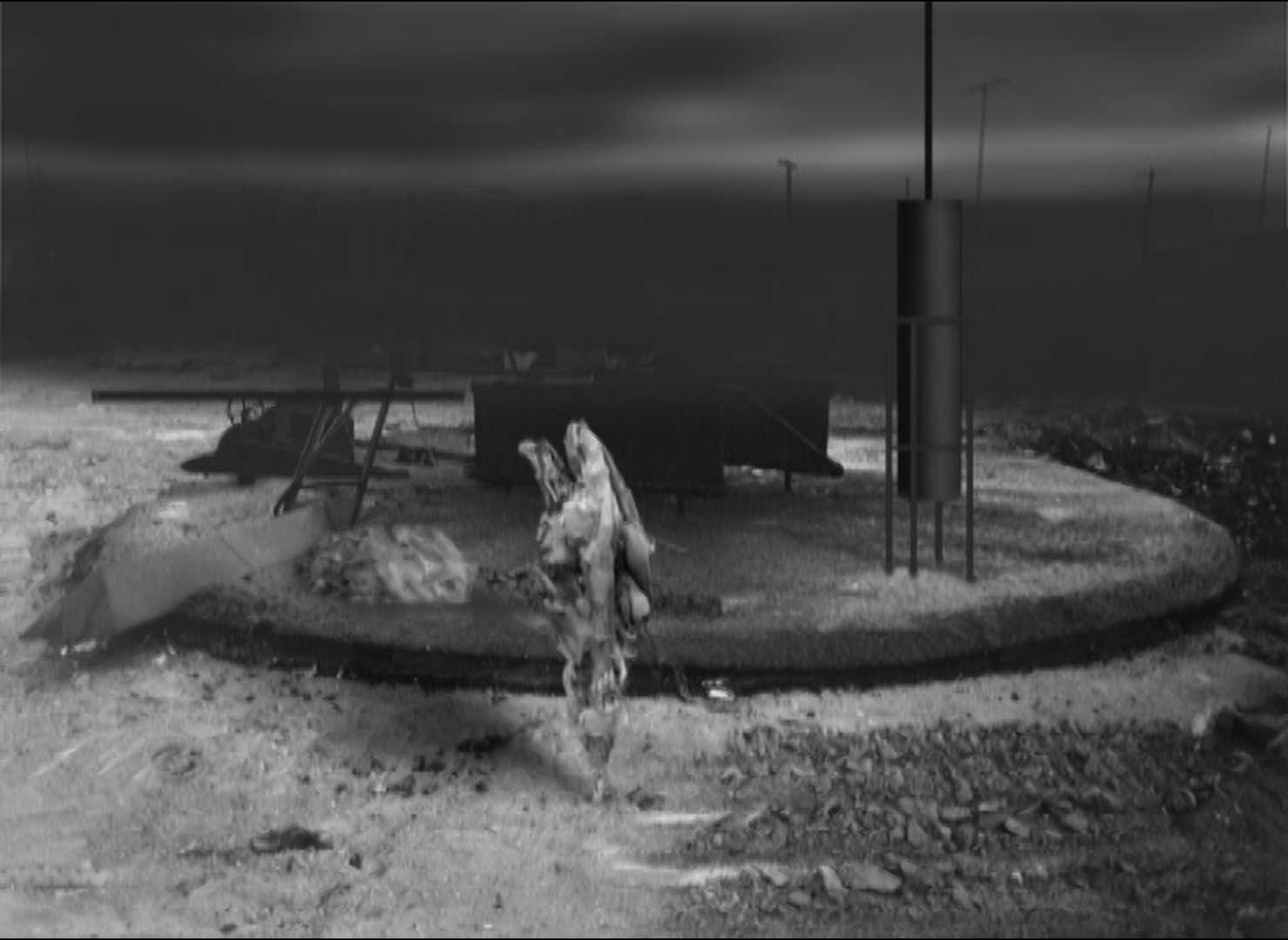
An animated vision reminiscent of Eraserhead, depicting the ruins of an industrial world through charred, broken landscapes accompanied by a grinding mechanical drone. Suddenly, the noise drops out and the screen goes black. Silence settles in — a brief, merciful pause, as if the earth itself were finally resting after the apocalypse humans brought upon it.
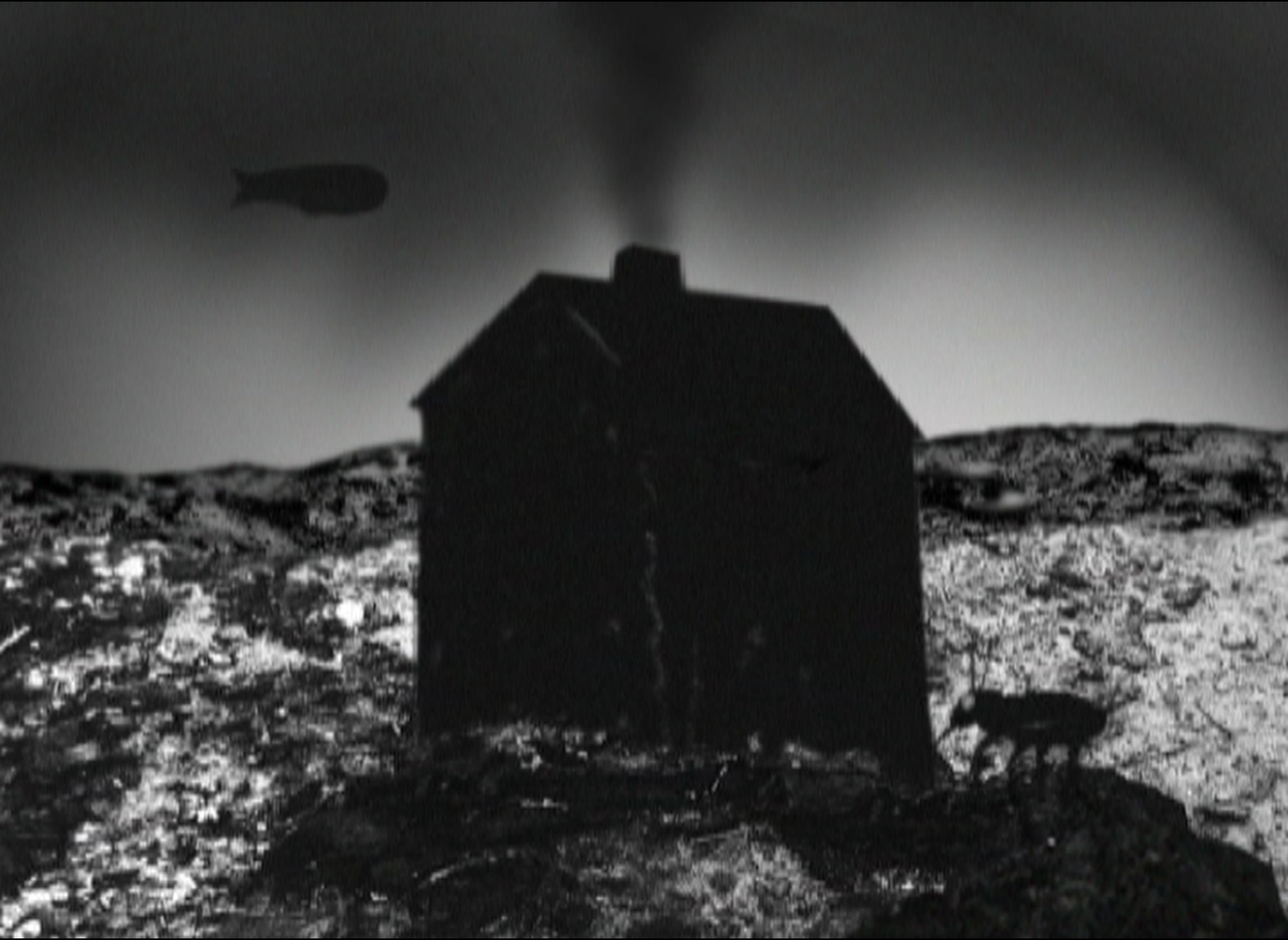
A stark, monochrome animation echoing Lynch’s earliest works like Six Men Getting Sick, The Alphabet, and The Grandmother. A lone insect crawls up the side of a house in a hostile, barren environment. Inside, we glimpse what appears to be experimentation — or torture — driven by crackling bursts of electricity.
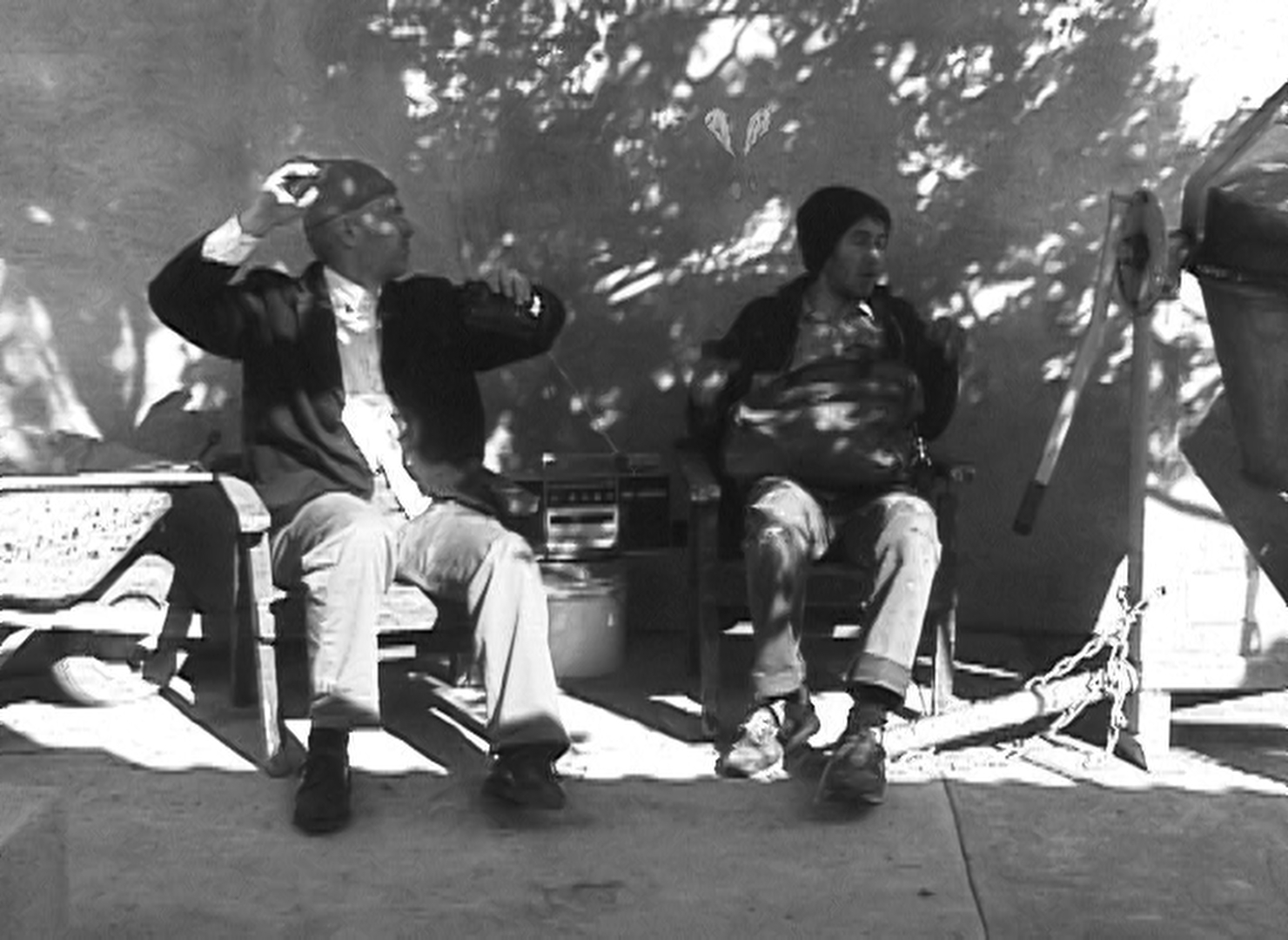
An absurdist comedy in the spirit of Harmony Korine. Lynch appears alongside his son, Austin Jack, as two oddball characters who speak in high-pitched voices and peculiar syntax. Their quiet afternoon is interrupted by a hulking creature demanding milk — the “Neighbor Boy.” The chaos culminates in an off-screen cavalry massacre of Indigenous people, a dark reminder of the violence embedded in the foundations of American suburbia.

A charming fusion of everyday craft and artistic ritual. Over the course of half an hour, Lynch builds a decorative lamp while calmly explaining materials, tools, and process. A minimalist soundtrack — a slowly evolving percussive loop — turns the simple act of making into a kind of meditative performance.

A tale of longing for darkness, filmed in broad daylight on Lynch’s private lake. Lynch himself plays the lead, expressing a desire “to sail so fast he reaches the night.” Overexposed, glowing images accompany a softly read narration by Emily Stofle, evoking the rhythm and texture of a dream.
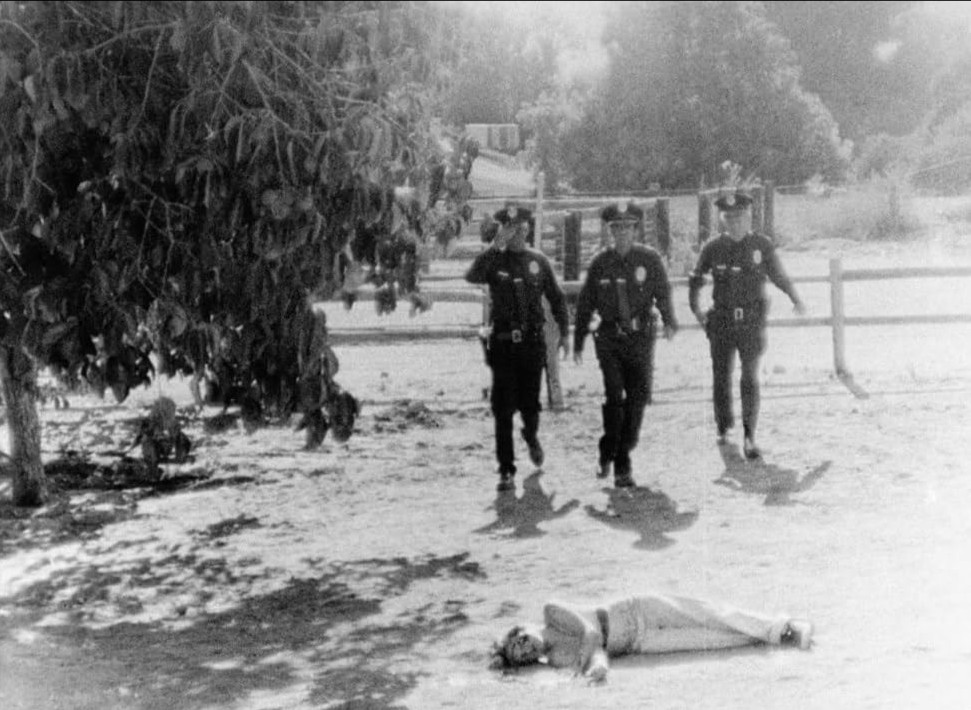
Lynch was invited to play directly with film history in Lumière et Compagnie, where 41 directors were challenged to make a short using the Lumière brothers’ original camera. In just sixty dense seconds, Lynch sketches the aftermath of a young girl’s death, intercut with abrupt, surreal tableaux: masked torturers, a naked captive, a bed standing alone in a forest. Short, brutal, and unmistakably Lynchian.

A meditation on the nature of truth and our instinct to look away from others’ suffering — a spiritual prelude to Inland Empire. In a dimly lit room, a blonde woman sits in quiet despair until a mysterious, white-clad figure enters and begins an unsettling monologue.
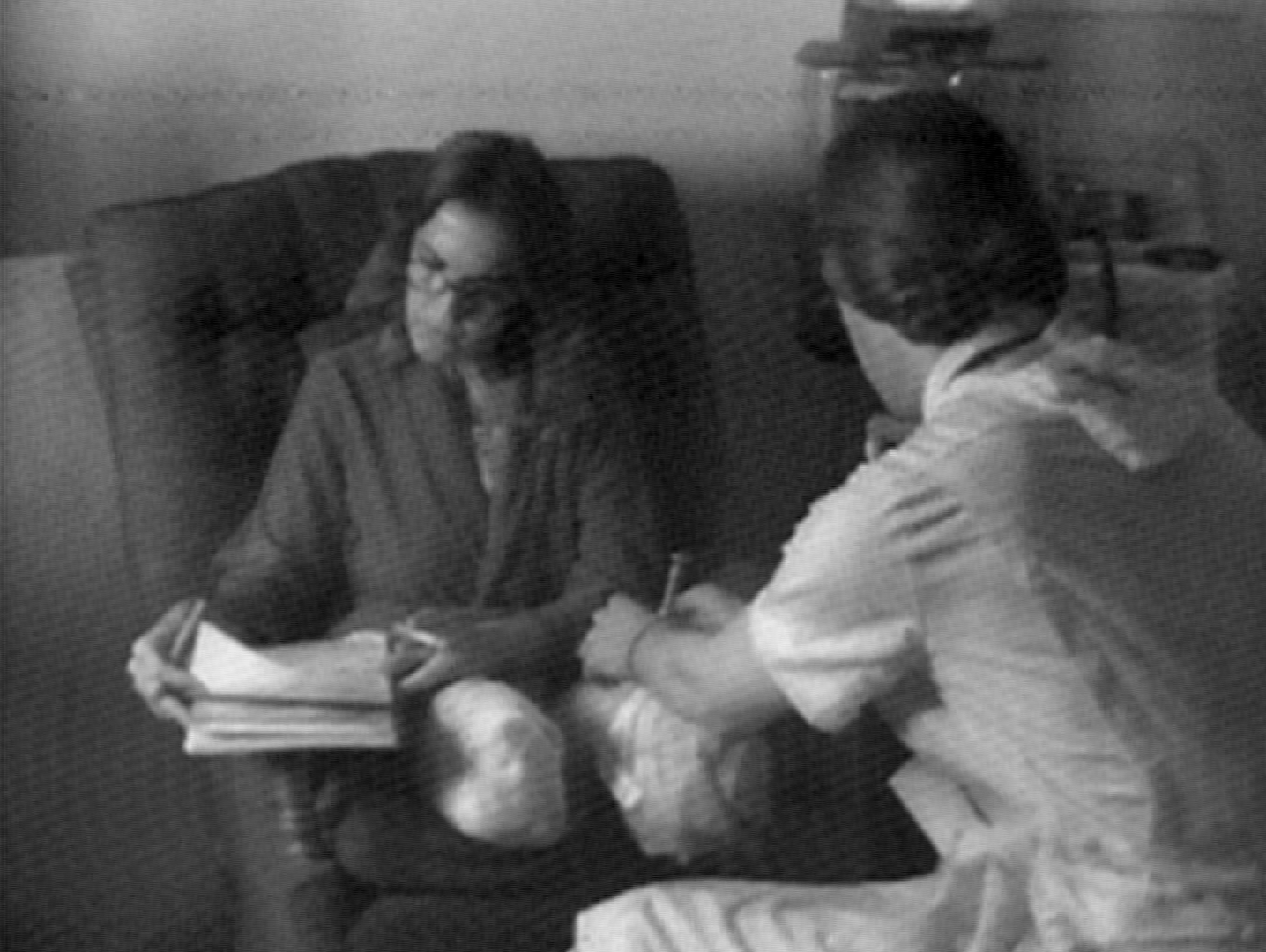
While Eraserhead was stalled in production, Lynch created his first fully live-action works – two versions of the same short monologue, recorded as camera tests for the American Film Institute. In both films, a legless woman sits writing a bitter, heartfelt letter while David Lynch himself appears as the nurse tasked with changing her bandages. The result is strangely mundane yet deeply uncomfortable, marking the beginning of Lynch’s collaboration with Catherine Coulson, later celebrated as the Log Lady in Twin Peaks.
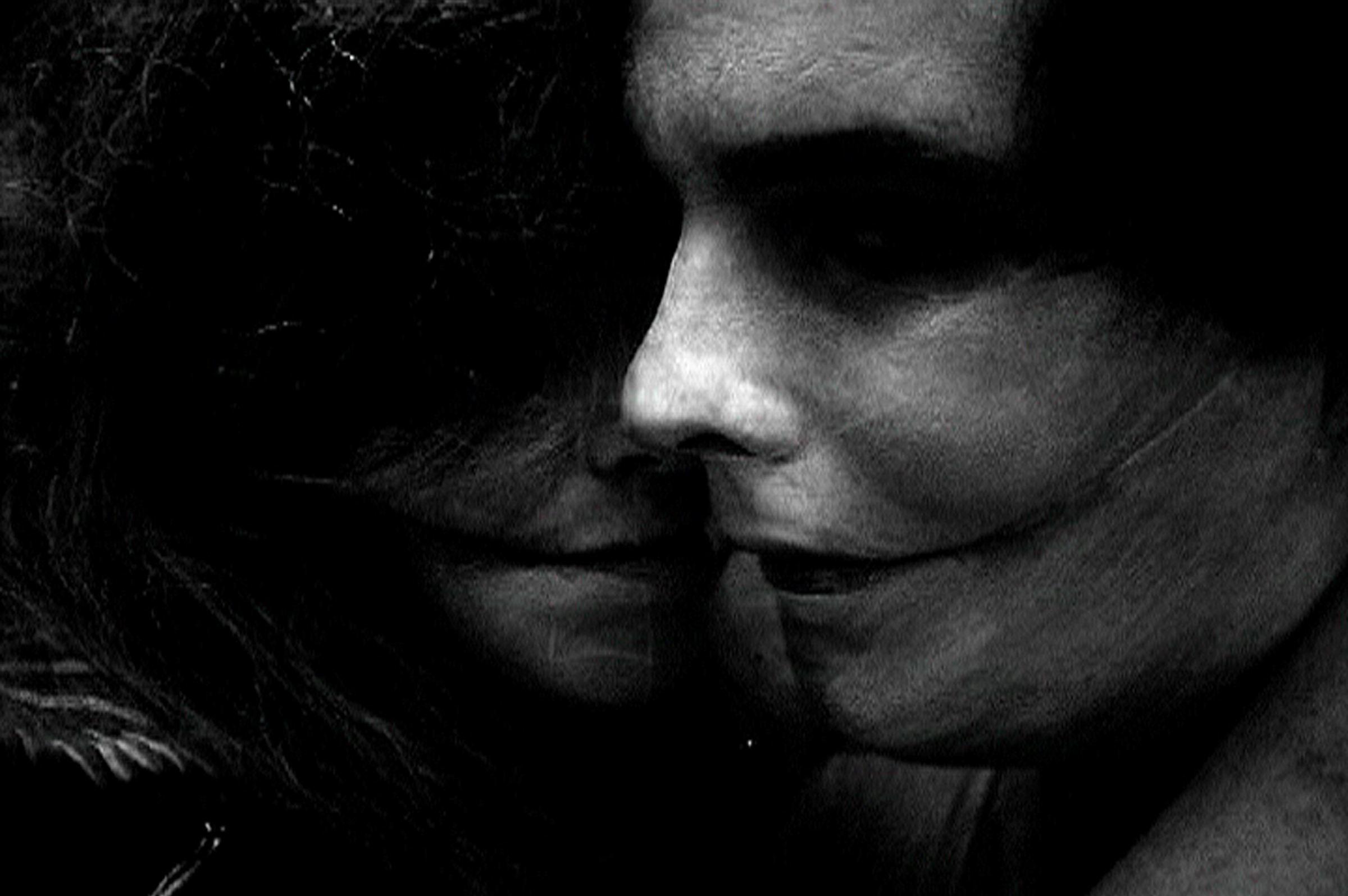
The film that truly launched Lynch’s career. A darkly whimsical tale about a boy who escapes his abusive home by cultivating a grandmother of his own. The film draws loosely from Jack and the Beanstalk, crafting a world where imagination becomes a final refuge – and the longing for comfort and care becomes both metaphor and survival instinct. It’s no surprise that the American Film Institute described it as 'a film that defies genre classification.'