Editions
Download our catalogs, view the programs digitally, or search for films from all previous editions of the Minimalen Short Film Festival, from 1988 to the present day.
Please note: This page is currently under development, and festivals prior to 2026 are not yet available.
Download the catalogs and view the programs from all previous festivals.
Films
Search for a film from any of our previous festivals.
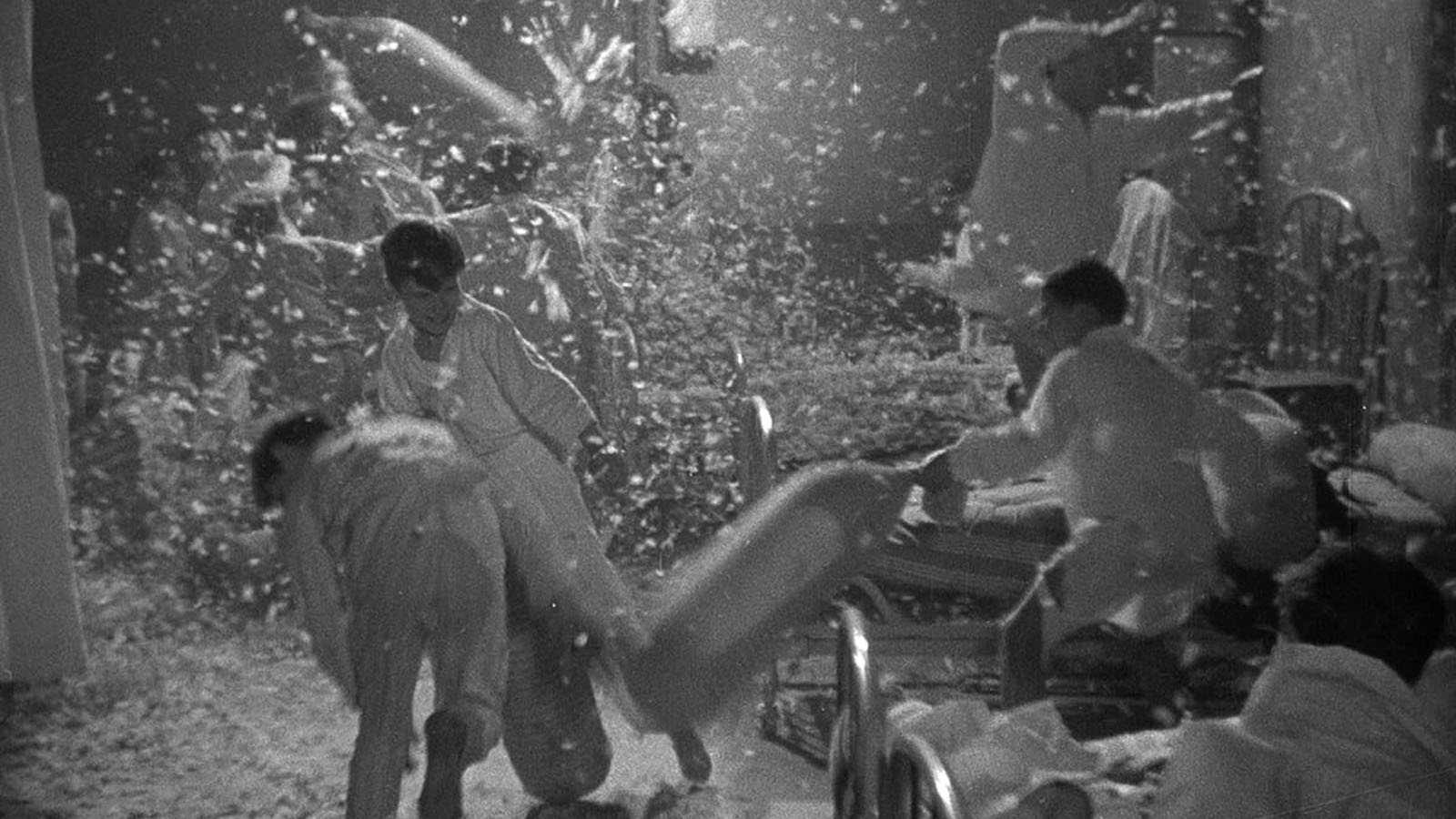
ZERO FOR CONDUCT
(ZÉRO DE CONDUITE)
A group of boarding school boys rebel against the school’s authorities in a series of humorous yet poetic episodes. The film builds toward an anarchic uprising that challenges all discipline and order.
Cast Jean Dasté, Gérard de Bédarieux, Louis Lefebvre
NIGHT AND FOG
(Nuit et brouillard)
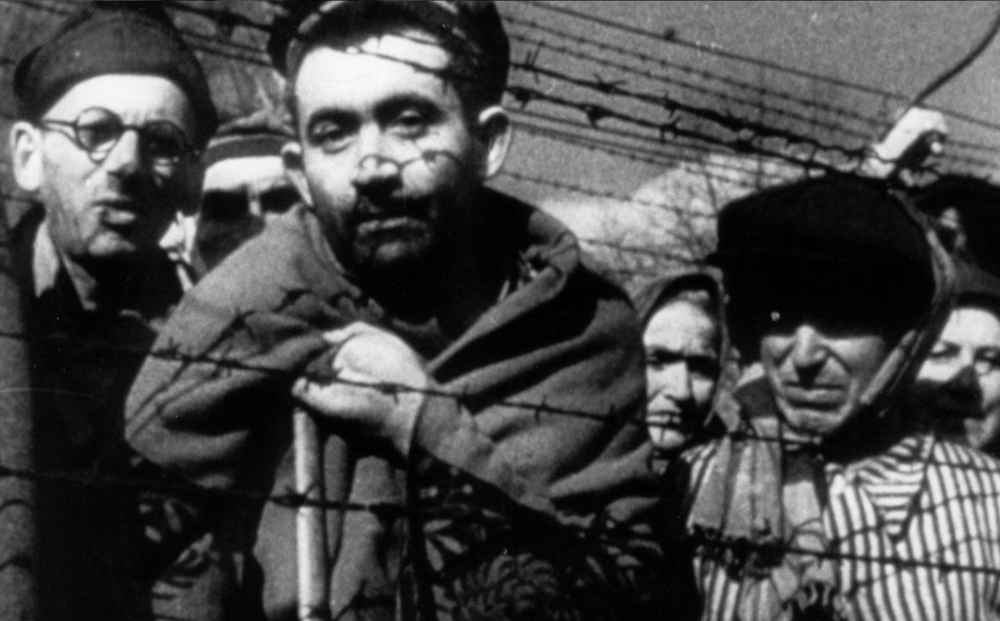
Through a montage of contemporary footage and archival material, the film depicts the reality of the Nazi concentration camps. A sober, poetic essay on memory, responsibility, and Europe’s darkest chapter.
Writer Jean Cayrol, Chris Marker
Cast Michel Bouquet (voice), Reinhard Heydrich, Heinrich Himmler, Adolf Hitler, Julius Streicher
The Red Ballon
(Le ballon rouge)
A red balloon with a mind of its own follows a little boy around the streets of Paris.
Director Albert Lamorisse
Cast Pascal Lamorisse, Georges Sellier, Vladimir Popov
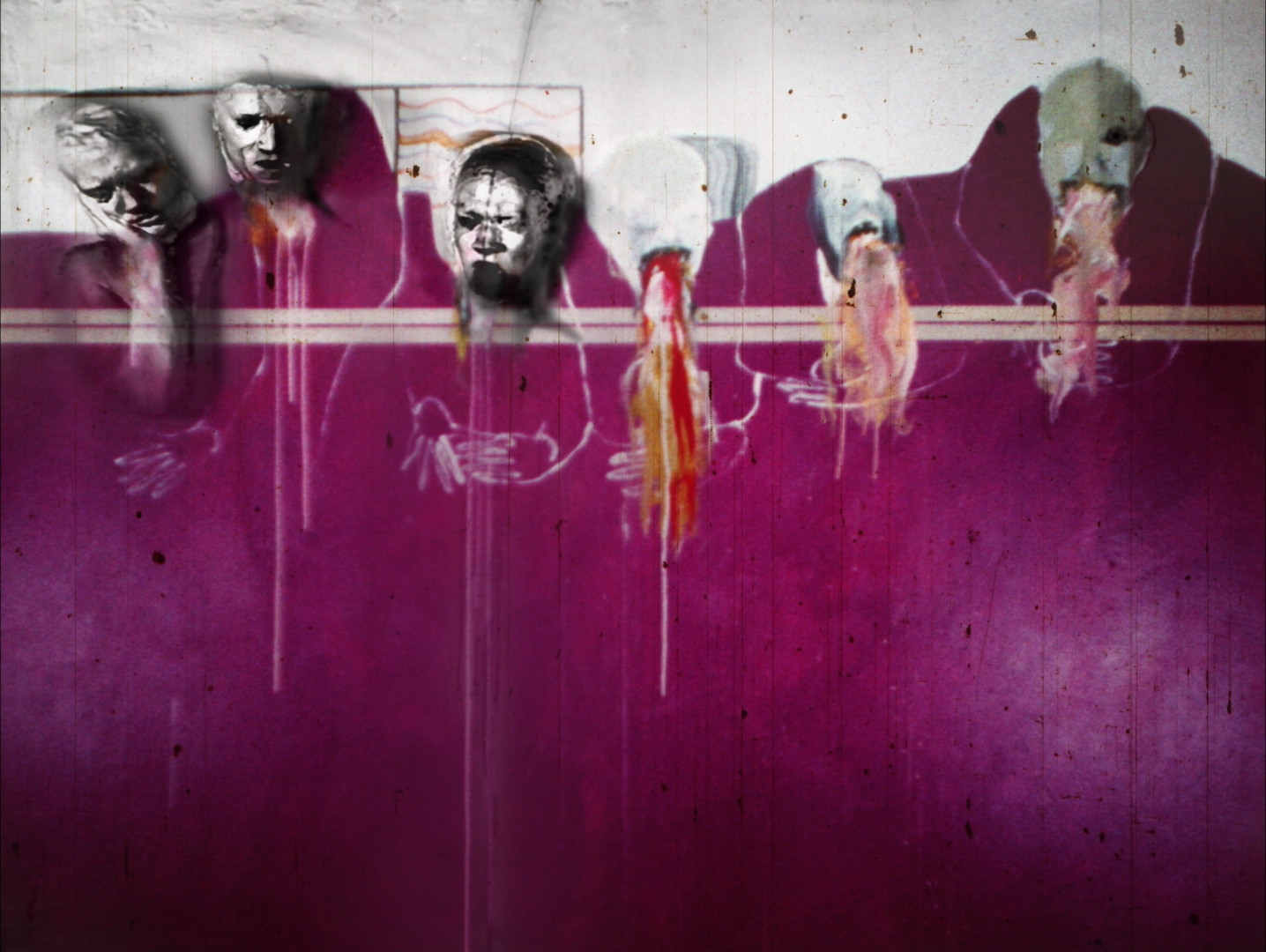
Lynch’s very first film, created during his studies at the Pennsylvania Academy of the Fine Arts, is a brief yet jarring collision of painting and cinema. This 16 mm stop-motion piece shows six figures vomiting in an endless loop, accompanied by a wailing siren. It is grotesque, primal – a clear sign of Lynch’s early fascination with human vulnerability and distorted inner worlds.
A tale of longing for darkness, filmed in broad daylight on Lynch’s private lake. Lynch himself plays the lead, expressing a desire “to sail so fast he reaches the night.” Overexposed, glowing images accompany a softly read narration by Emily Stofle, evoking the rhythm and texture of a dream.
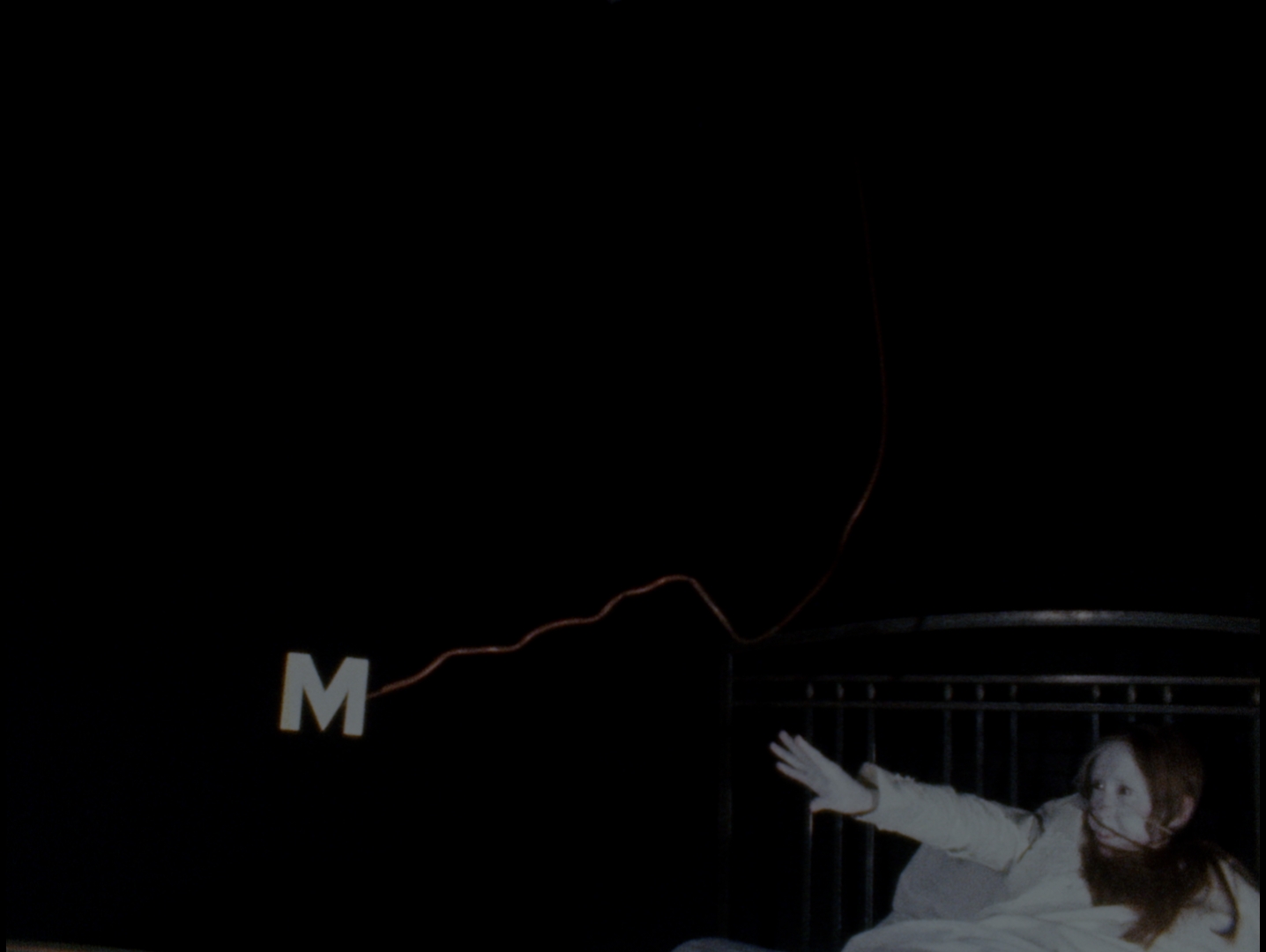
With The Alphabet, Lynch took his first step into live-action, and the result remains one of his most unsettling short films. Inspired by a nightmare experienced by the niece of Peggy Lentz, the film thrusts us into a claustrophobic realm where the alphabet itself becomes a torment, chanted endlessly by a childlike chorus. A woman trapped in this linguistic nightmare conveys a raw anxiety about expectation, social pressure, and the fear of being reduced to a mere fragment of the crowd.
The film that truly launched Lynch’s career. A darkly whimsical tale about a boy who escapes his abusive home by cultivating a grandmother of his own. The film draws loosely from Jack and the Beanstalk, crafting a world where imagination becomes a final refuge – and the longing for comfort and care becomes both metaphor and survival instinct. It’s no surprise that the American Film Institute described it as 'a film that defies genre classification.'
While Eraserhead was stalled in production, Lynch created his first fully live-action works – two versions of the same short monologue, recorded as camera tests for the American Film Institute. In both films, a legless woman sits writing a bitter, heartfelt letter while David Lynch himself appears as the nurse tasked with changing her bandages. The result is strangely mundane yet deeply uncomfortable, marking the beginning of Lynch’s collaboration with Catherine Coulson, later celebrated as the Log Lady in Twin Peaks.
ET FRENOLOGISK SELVPORTRETT
(A Phrenological Self Portrait)
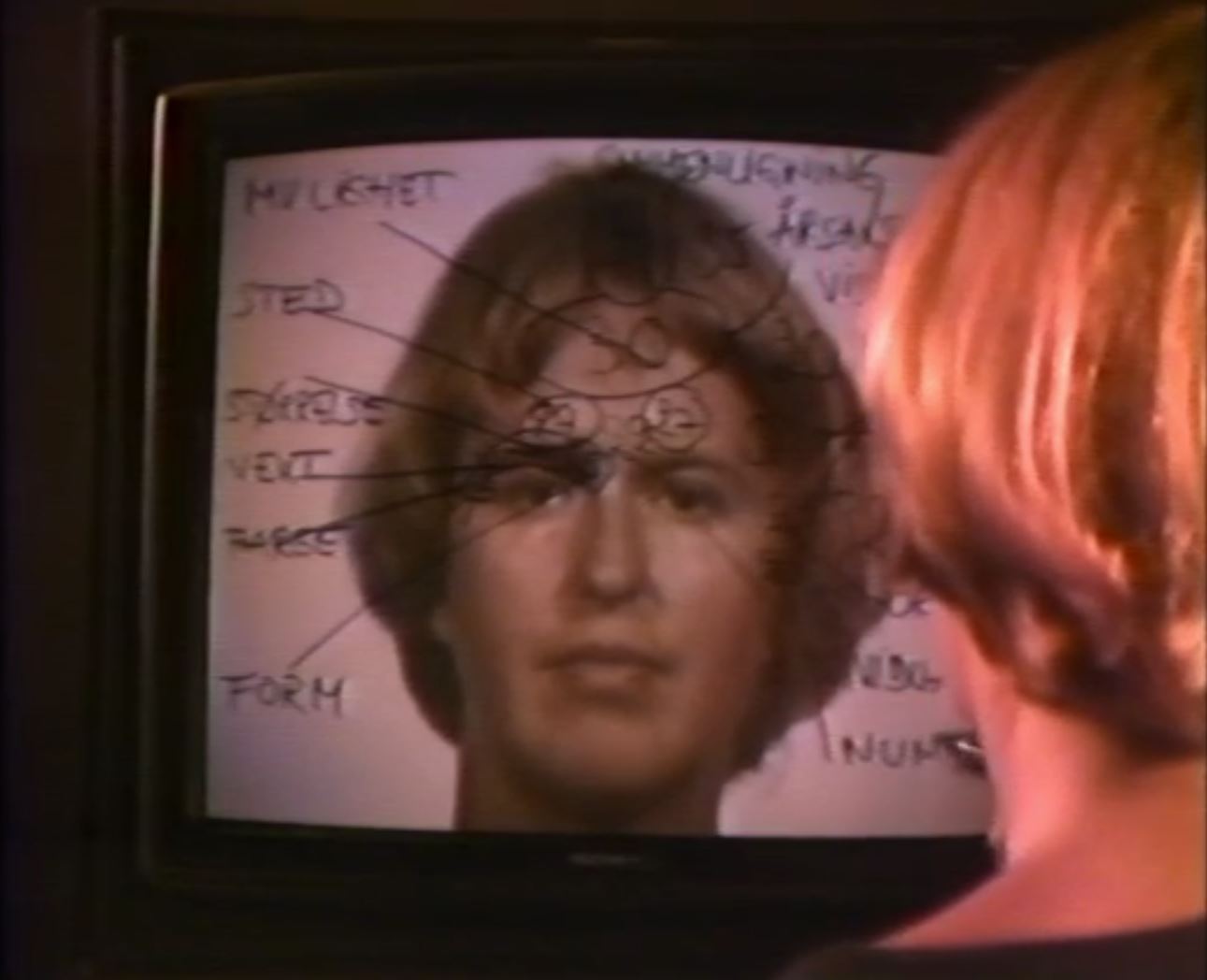
The idea underlying phrenology is the postulation of a connection between the skull’s external outline and the different areas of the brain, areas where talents and aspects of the personality are localised. Today, nobody takes the theory seriously. Marianne Heske makes use of it to ask questions. Are there eternal truths and values in science (and art)? And the things we believe in and practise today, what will history’s verdict be about them?
Marianne Heske, Ola Sandnes Liaaen
Exp.
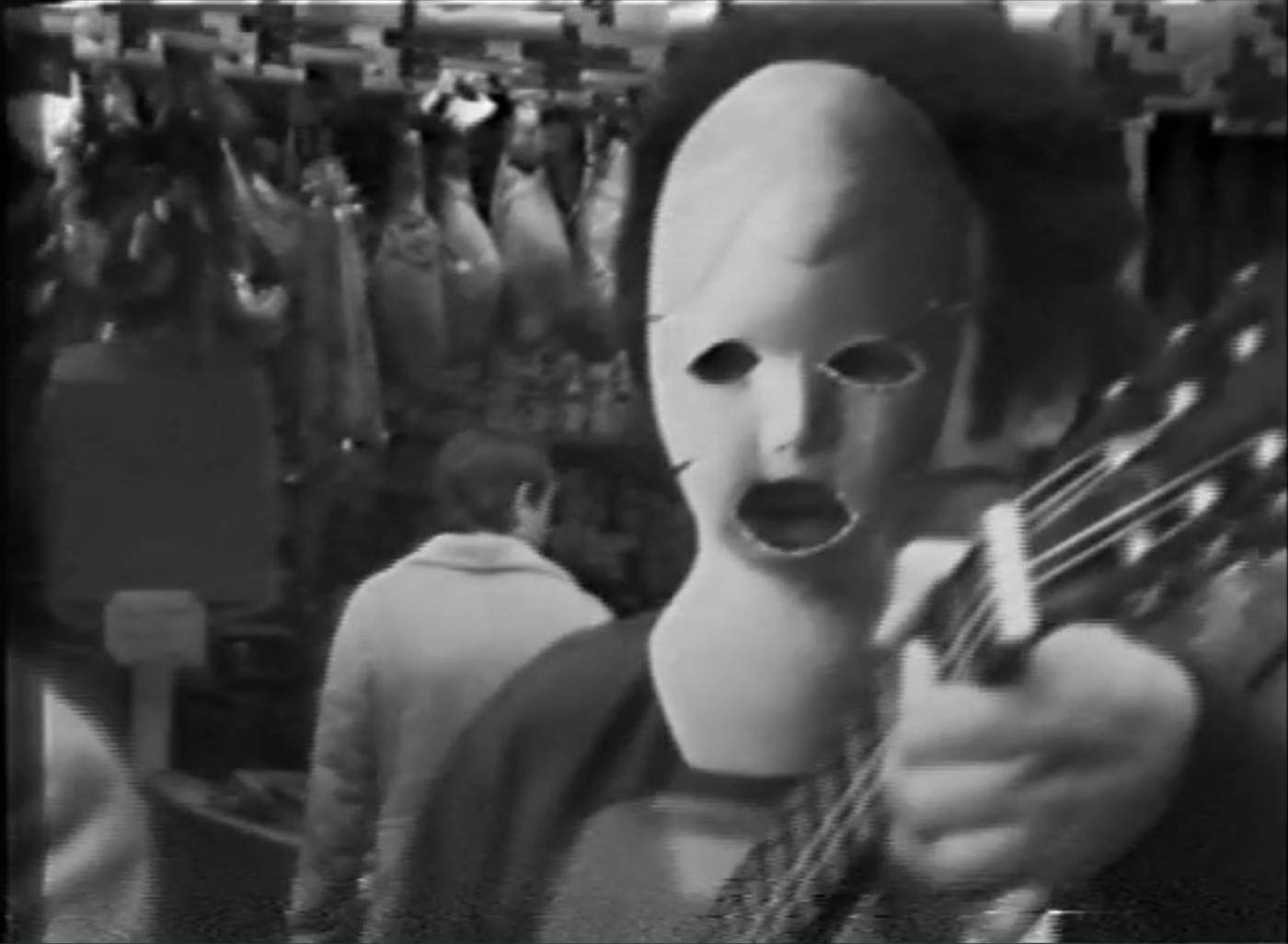
Shot in Paris, with people walking around wearing puppet masks.
Director Marianne Heske, Ola Sandnes Liaaen
EXTRACTS FROM VIDEO PORTRAITS
()
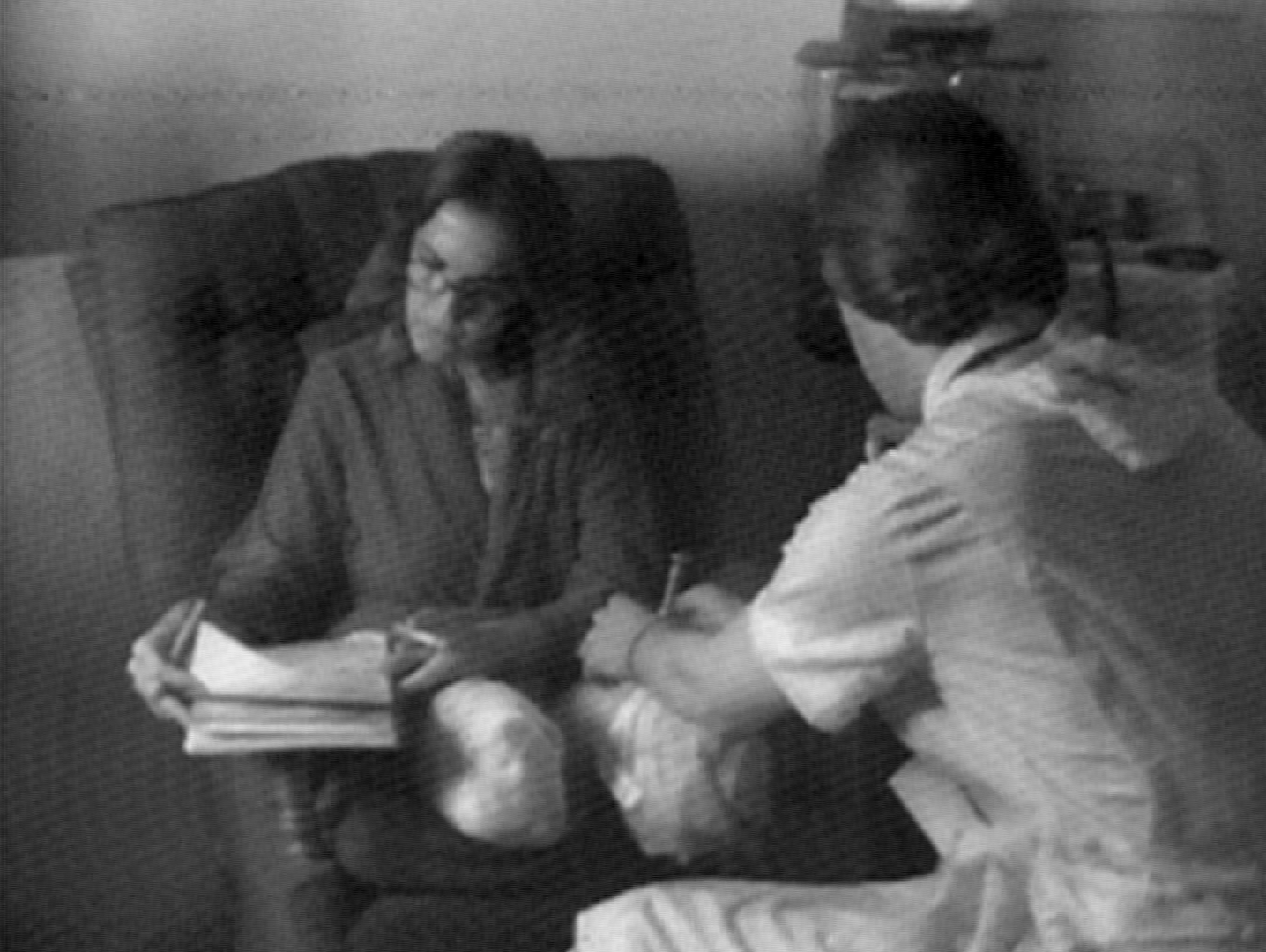
Video portraits of Anne and Peter, which entirely revolve around the idea that everyone plays their roles. 'I went to Speakers’ Corner and listened to those standing on their boxes preaching. One believed he was Jesus, so he invited me home to talk about what he was doing. Peter was fiery red-haired and a convinced Marxist, and Anne from Ireland was a super-feminist. Everyone is blessed in their own belief, you might say.'
The camera focuses on a cud-chewing camel, the sound has been dubbed to give the impression of a distorted discourse on video art.
Laster inn filmarkivet...