Editions
Download our catalogs, view the programs digitally, or search for films from all previous editions of the Minimalen Short Film Festival, from 1988 to the present day.
Please note: This page is currently under development, and festivals prior to 2026 are not yet available.
Download the catalogs and view the programs from all previous festivals.
Films
Search for a film from any of our previous festivals.
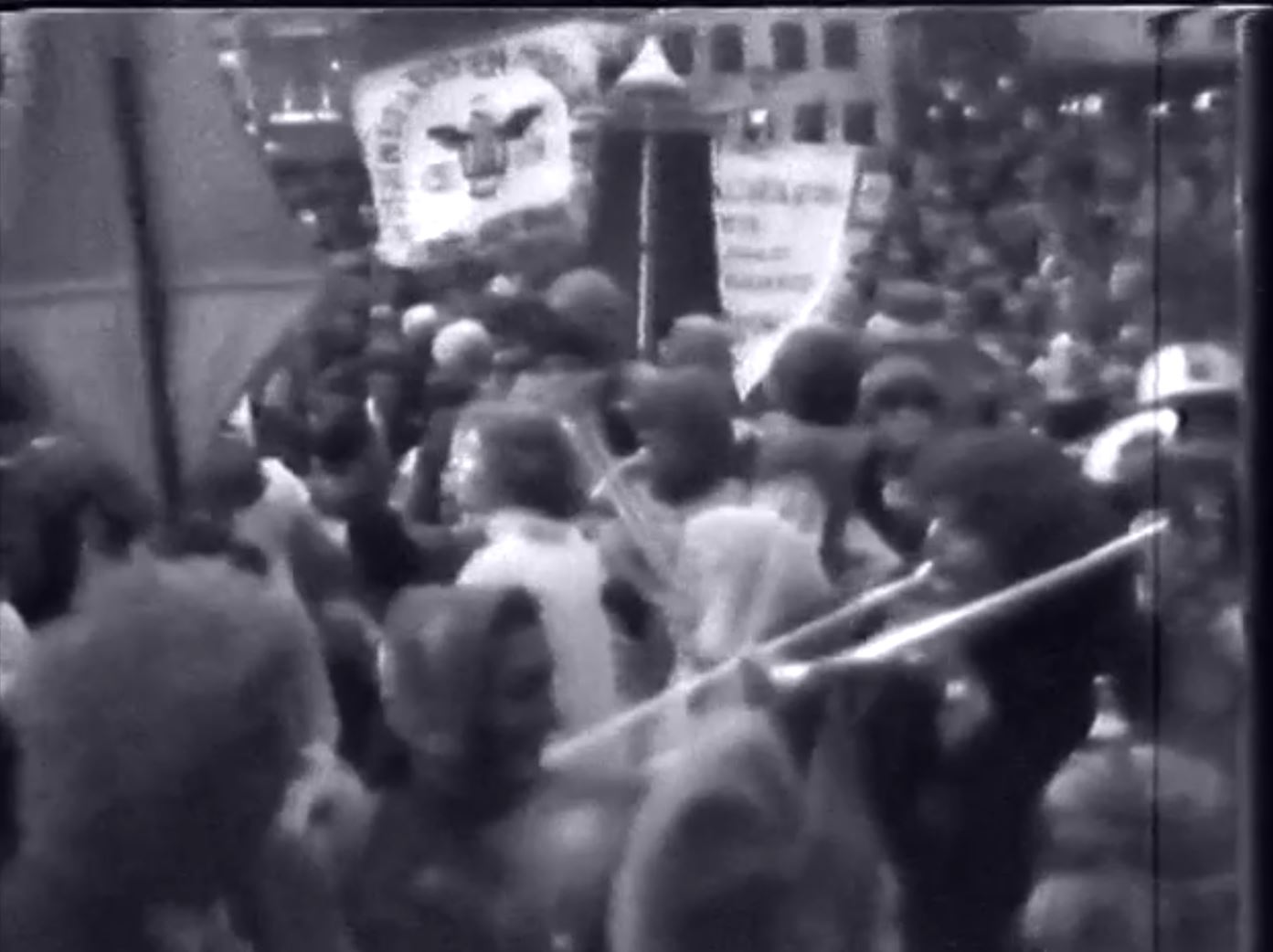
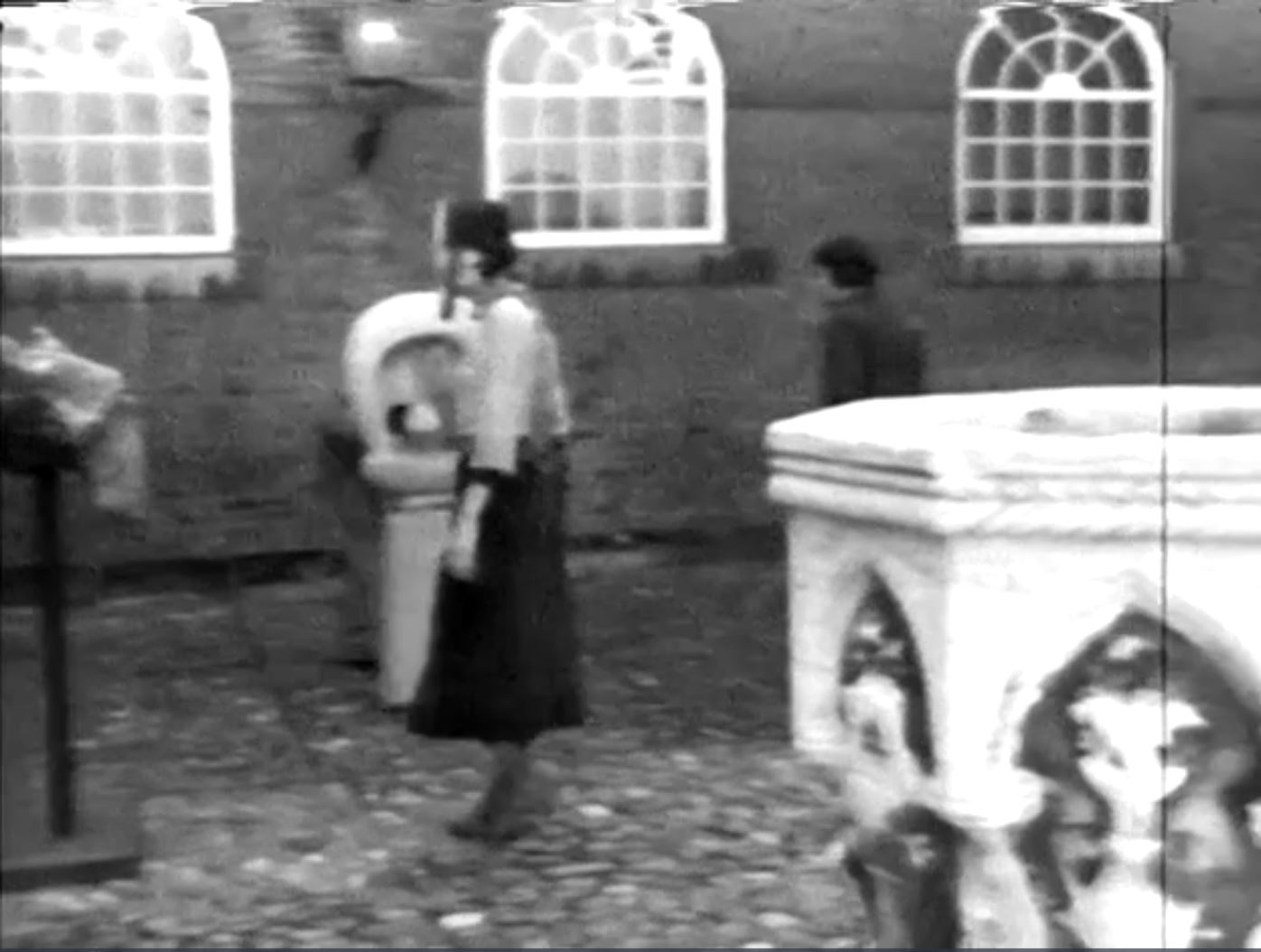
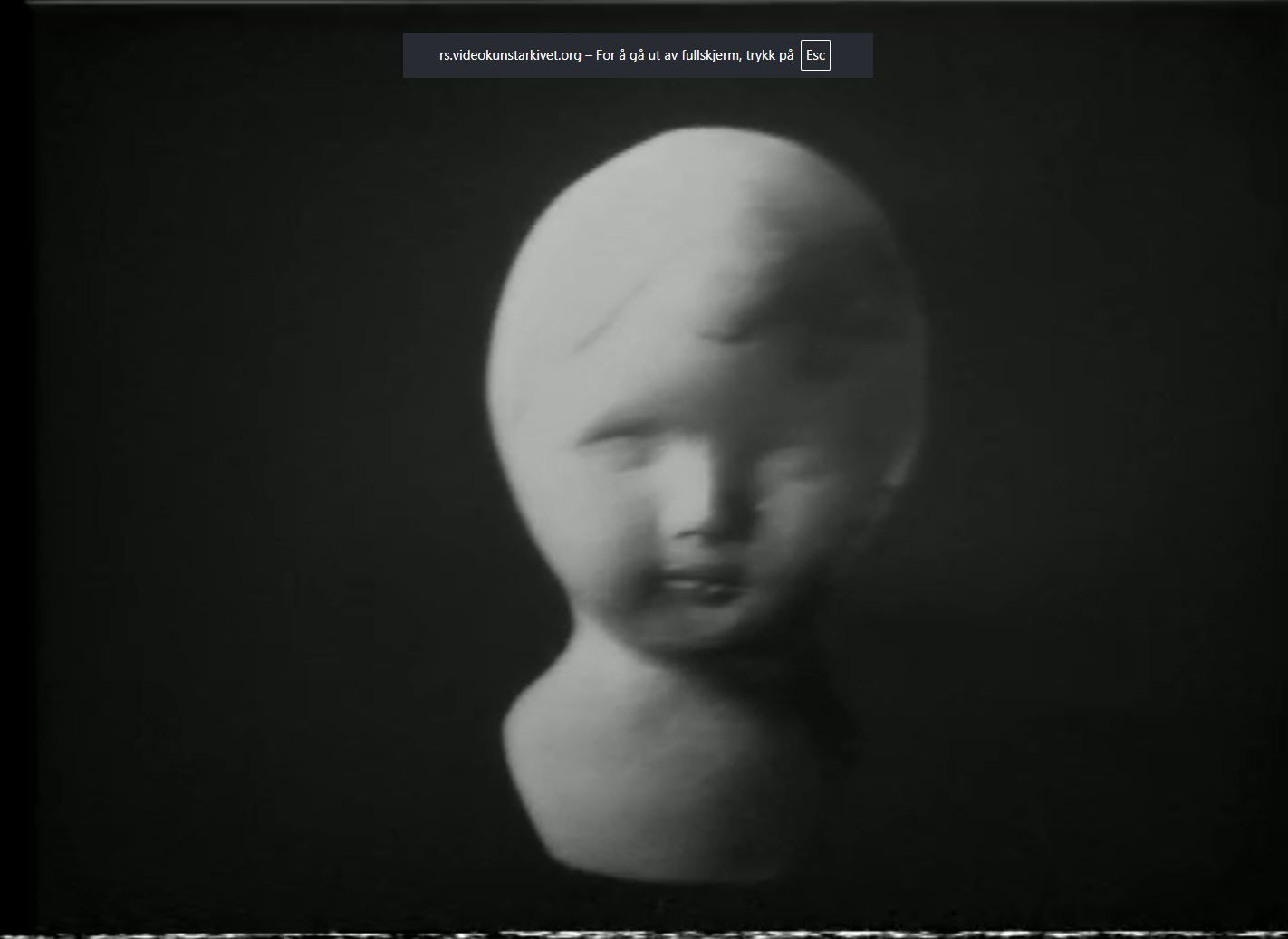
'Masquerade II was recorded in Maastricht. I filmed puppets wandering through the streets.'
ALL THE WORLD’S A STAGE… ETC. ETC.
()
'I have been fascinated by William Shakespeare all my life. Already at the age of seventeen, I traveled to Stratford-upon-Avon and spent a summer there. In [this] video, I pursue themes related to roles and the stages on which they are played out — in this case the religious, the musical, the artistic, and the arena of life itself, which culminates in death.'
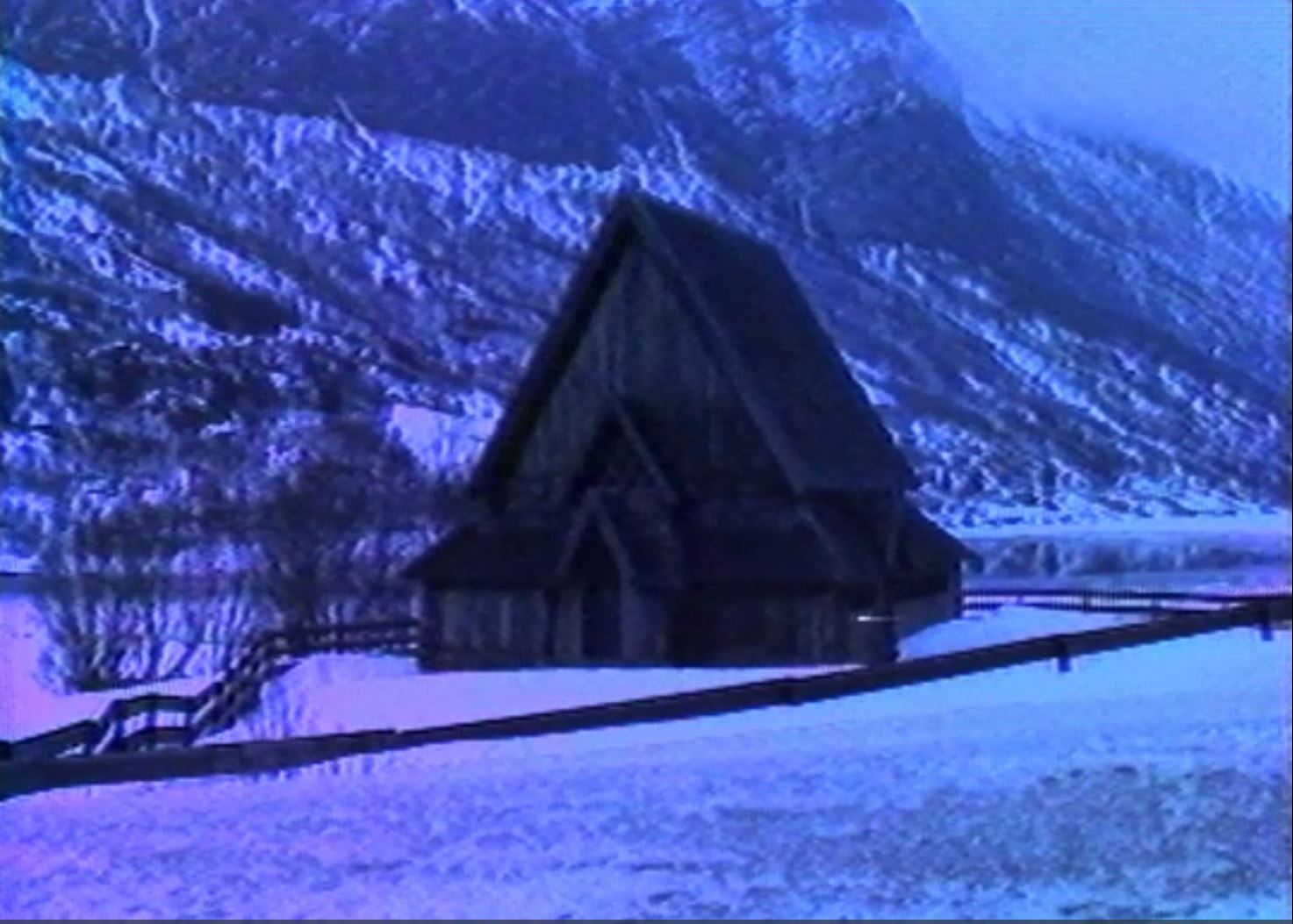
'The video was recorded with a Portapak and is in black and white. Norwegian landscapes are, after all, black and white in winter. I walk with the camera in Tafjord and record my own footsteps in a forest of birch trees. It is winter, the snow is wet and heavy, and it is utterly indescribably beautiful. Unfortunately, this video is short (...): the colder it was, the faster the battery ran flat. That’s how prosaic it was.'
Postcard motives from Norway, in colours.
PREMONITIONS FOLLOWING AN EVIL DEED
()
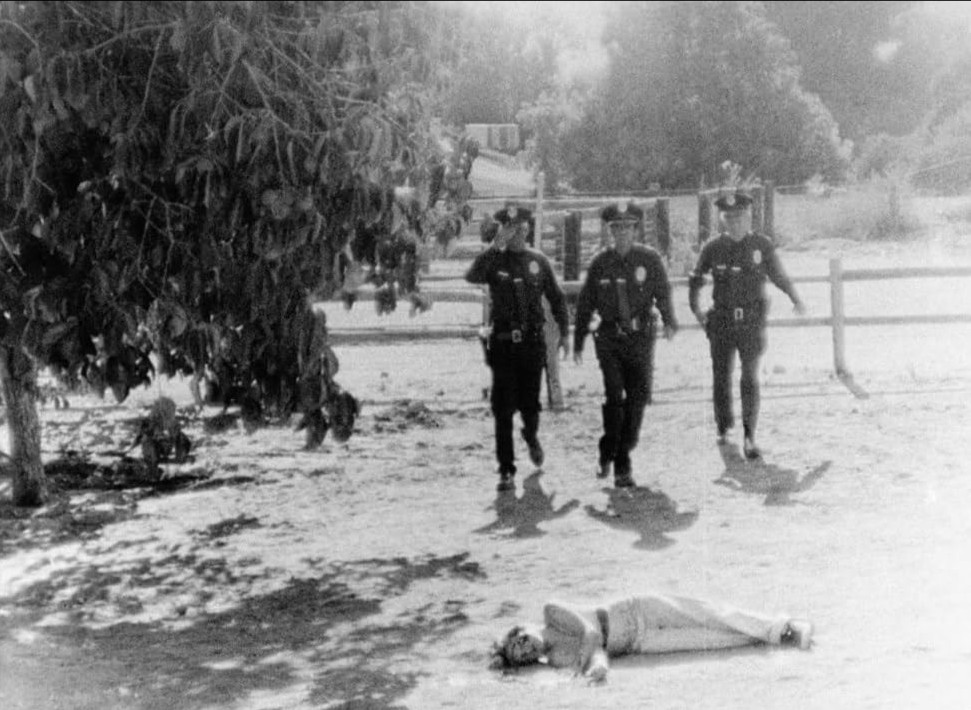
Lynch was invited to play directly with film history in Lumière et Compagnie, where 41 directors were challenged to make a short using the Lumière brothers’ original camera. In just sixty dense seconds, Lynch sketches the aftermath of a young girl’s death, intercut with abrupt, surreal tableaux: masked torturers, a naked captive, a bed standing alone in a forest. Short, brutal, and unmistakably Lynchian.
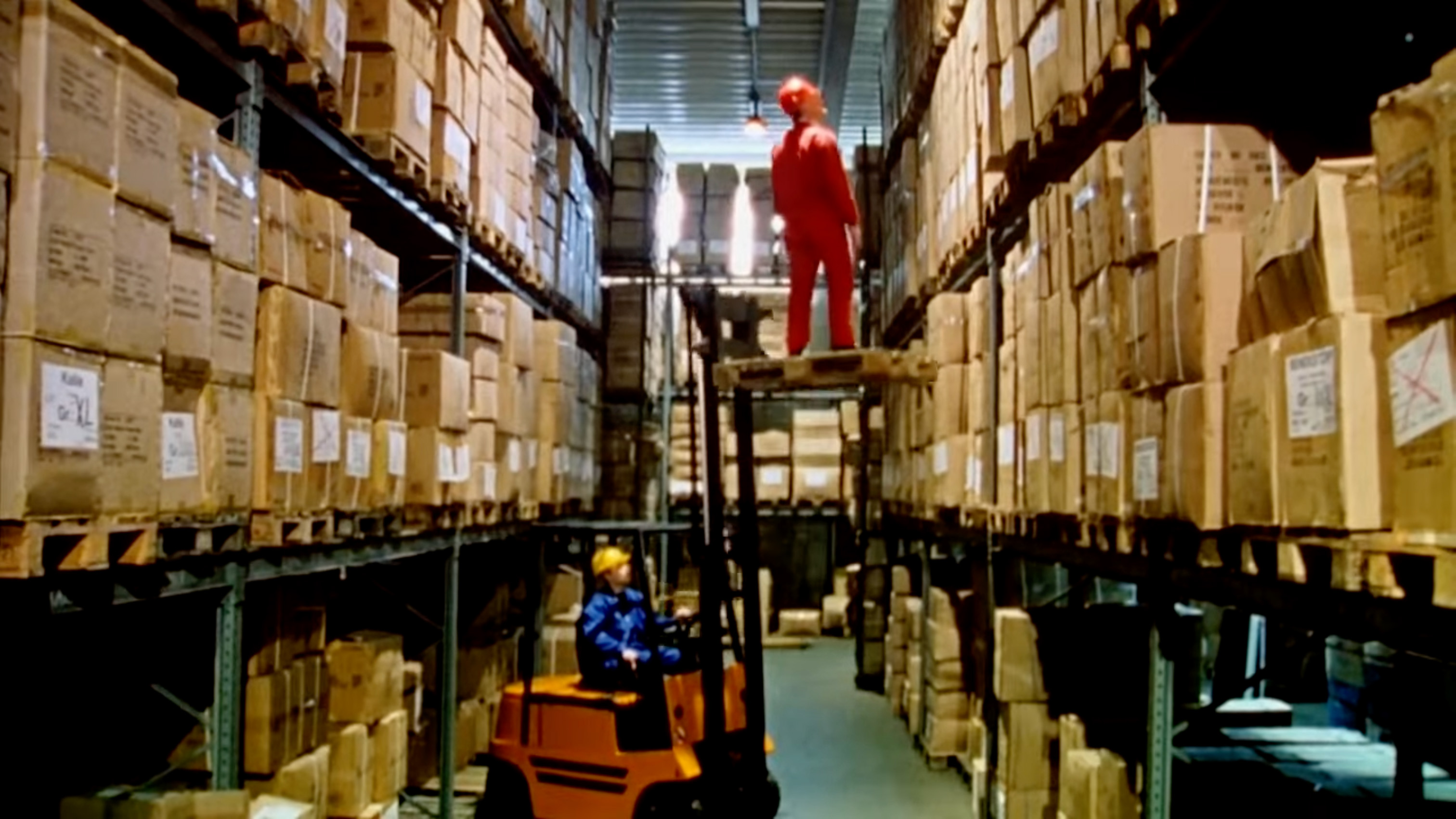
FORKLIFT DRIVER KLAUS: THE FIRST DAY ON THE JOB
(Staplerfahrer Klaus - Der erste Arbeitstag)
Stefan Prehn, Jörg Wagner
Fic.
Klaus is a newly minted forklift license holder. However, his first day at work quickly becomes a true test, as gruesome yet educational accidents unfold.
Director Stefan Prehn, Jörg Wagner
Writer Stefan Prehn, Jörg Wagner
Cast Konstantin Graudus, Gustav Adolph Artz
OUT YONDER: NEIGHBOR BOY
()
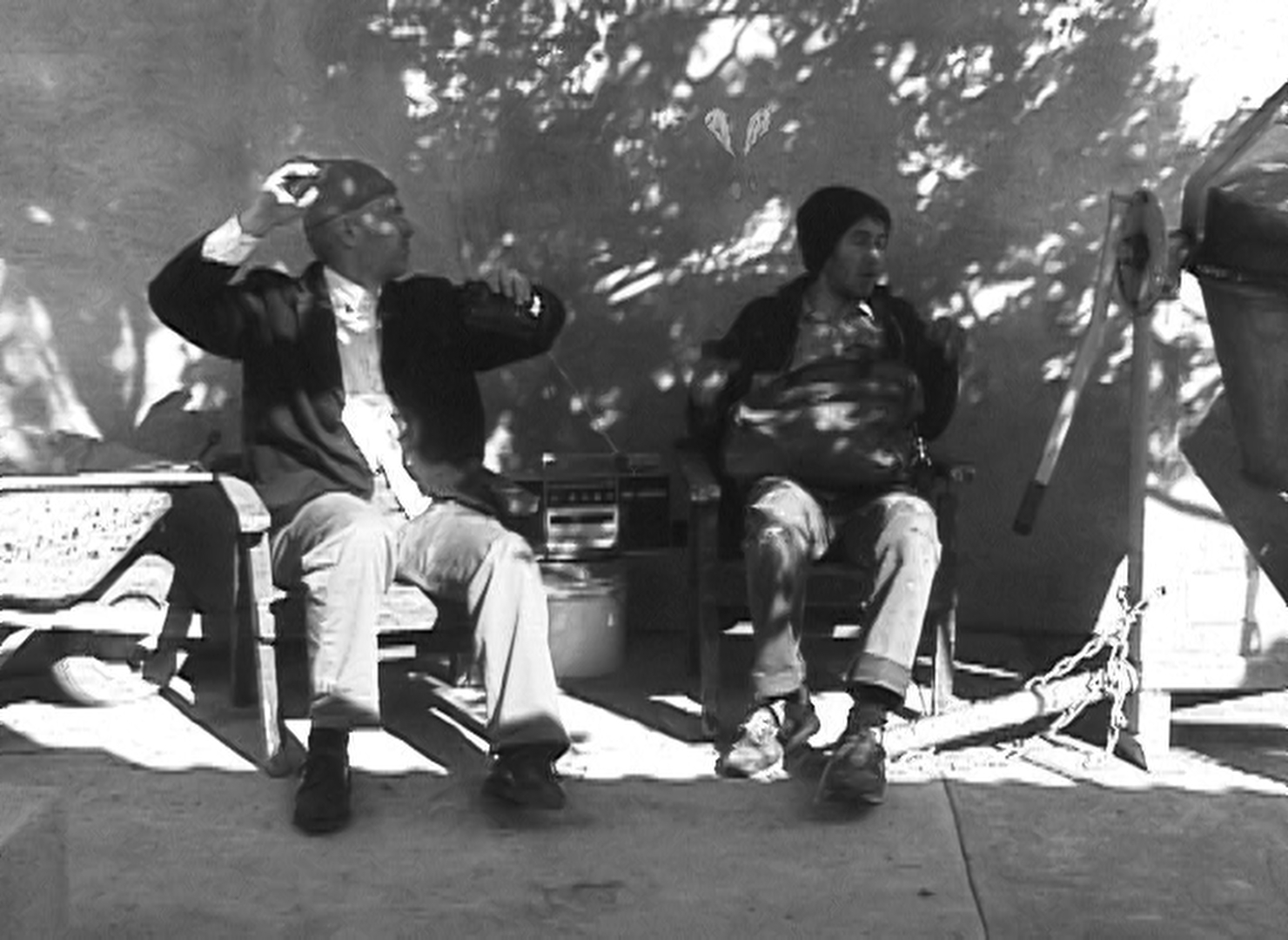
An absurdist comedy in the spirit of Harmony Korine. Lynch appears alongside his son, Austin Jack, as two oddball characters who speak in high-pitched voices and peculiar syntax. Their quiet afternoon is interrupted by a hulking creature demanding milk — the “Neighbor Boy.” The chaos culminates in an off-screen cavalry massacre of Indigenous people, a dark reminder of the violence embedded in the foundations of American suburbia.
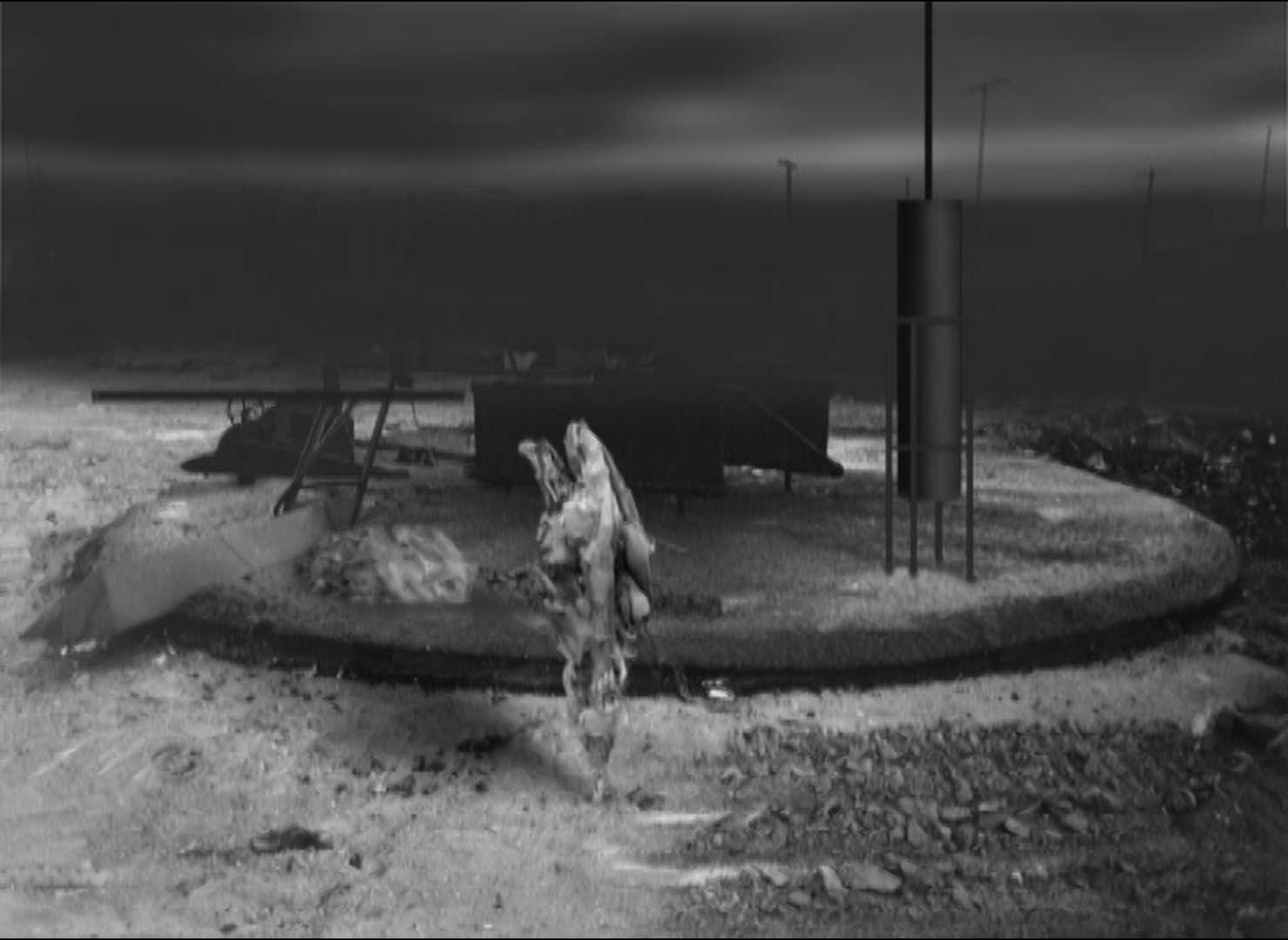
An animated vision reminiscent of Eraserhead, depicting the ruins of an industrial world through charred, broken landscapes accompanied by a grinding mechanical drone. Suddenly, the noise drops out and the screen goes black. Silence settles in — a brief, merciful pause, as if the earth itself were finally resting after the apocalypse humans brought upon it.
A meditation on the nature of truth and our instinct to look away from others’ suffering — a spiritual prelude to Inland Empire. In a dimly lit room, a blonde woman sits in quiet despair until a mysterious, white-clad figure enters and begins an unsettling monologue.
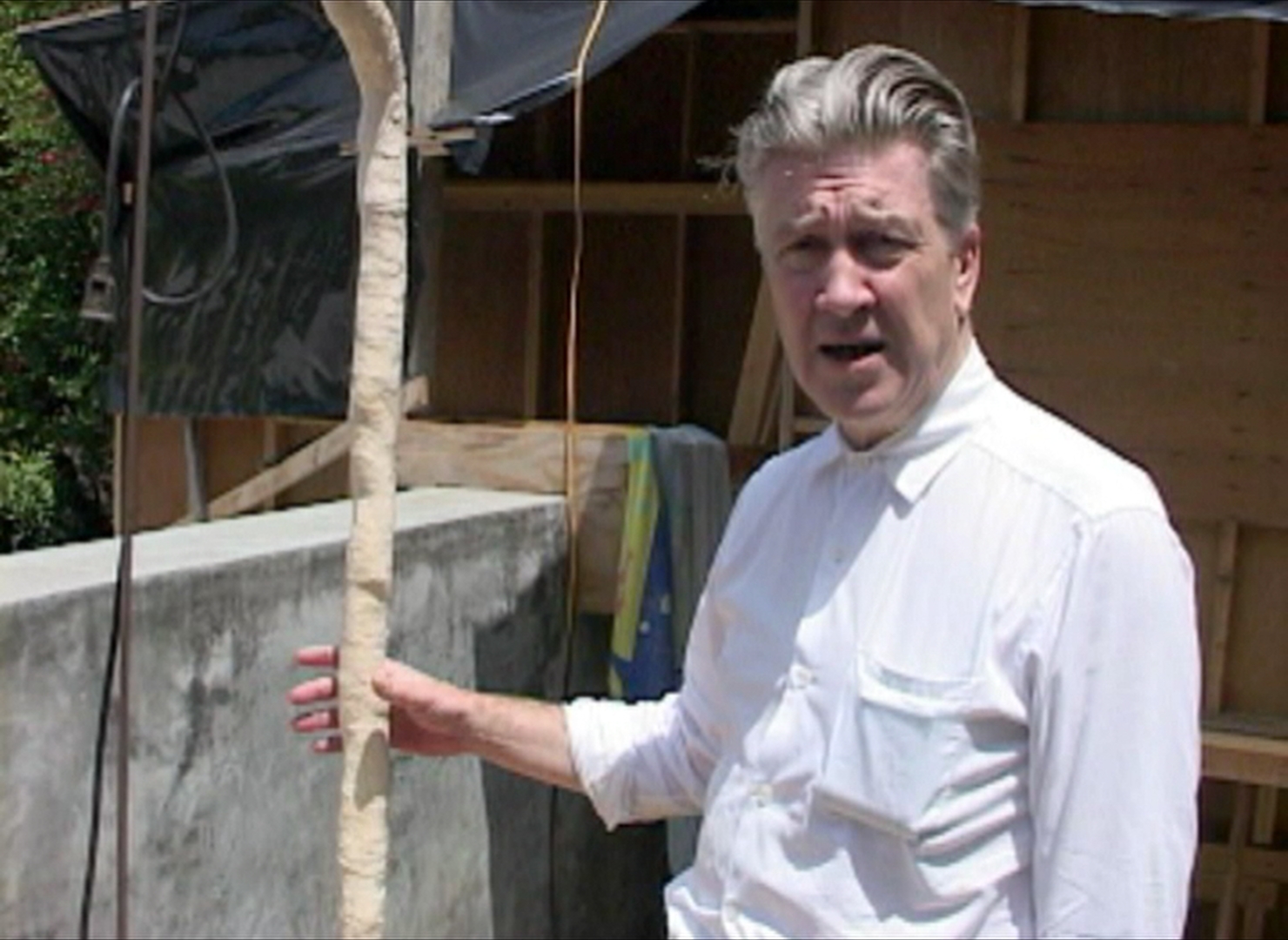
A charming fusion of everyday craft and artistic ritual. Over the course of half an hour, Lynch builds a decorative lamp while calmly explaining materials, tools, and process. A minimalist soundtrack — a slowly evolving percussive loop — turns the simple act of making into a kind of meditative performance.
INTERVALOMETER EXPERIMENTS
()
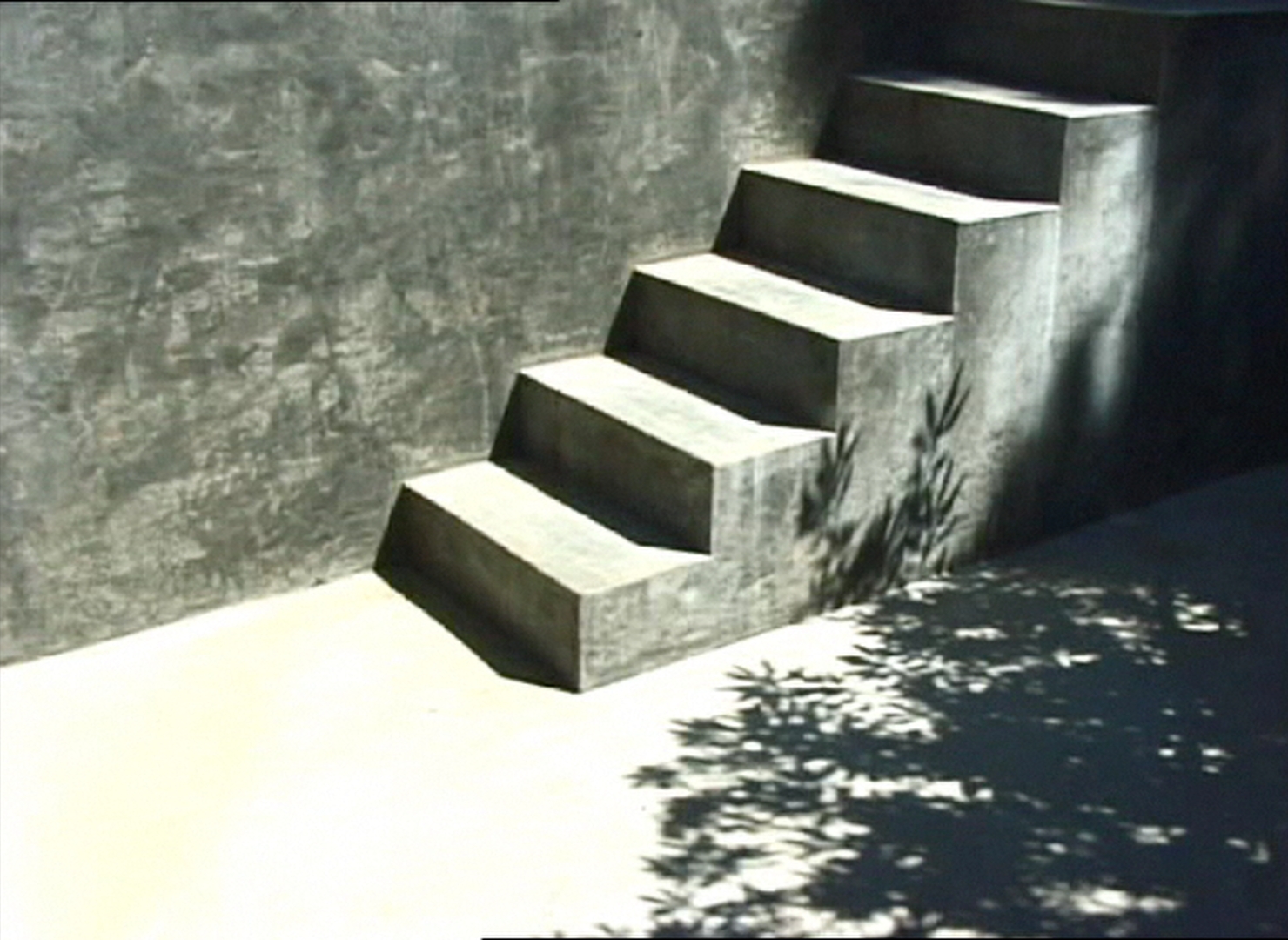
A visual study composed of three time-lapse sequences capturing sun-drenched places as darkness gradually consumes them. Thematically it echoes Boat, but here language is abandoned entirely. The slow pace, mechanical intervals, and the interplay between architecture and nature evoke the structural rigor of James Benning’s cinema.
Laster inn filmarkivet...