


David Lynch 2: Dynamic: 01
Bli med inn i David Lynchs digitale lekegrind! Dynamic: 01 samler sju kortfilmer fra 2001–2004, først publisert på DavidLynch.com, der Lynch utforsker nettets nye muligheter med lekenhet og nysgjerrighet. Her beveger han seg fritt mellom uttrykk og sjangre – fra poetiske proto-videoblogger i Boat og Lamp, som kunne vært signert Jonas Mekas, til stramme, James Benning-aktige formstudier i Intervalometer Experiments, og absurd komedie basert på en av regissørens egne drømmer i Out Yonder: Neighbor Boy.
Flere av filmene er tett knyttet til Lynchs øvrige univers. Industrial Soundscape vekker minner om Eraserhead, Bug Crawls kunne vært en tapt tidlig kortfilm, og The Darkened Room peker direkte mot stemninger og idéverdenen som senere ble Inland Empire.
Bildene kan til tider se ut som de er fanget med et førstekgenerasjons mobilkamera – og det er en del av sjarmen. Lynch brukte den digitale estetikken som et laboratorium, og resultatet er rått, upolert og ubehagelig vitalt.
Print Source: Nonstop Entertainment.


Programme

A meditation on the nature of truth and our instinct to look away from others’ suffering — a spiritual prelude to Inland Empire. In a dimly lit room, a blonde woman sits in quiet despair until a mysterious, white-clad figure enters and begins an unsettling monologue.

A tale of longing for darkness, filmed in broad daylight on Lynch’s private lake. Lynch himself plays the lead, expressing a desire “to sail so fast he reaches the night.” Overexposed, glowing images accompany a softly read narration by Emily Stofle, evoking the rhythm and texture of a dream.

A charming fusion of everyday craft and artistic ritual. Over the course of half an hour, Lynch builds a decorative lamp while calmly explaining materials, tools, and process. A minimalist soundtrack — a slowly evolving percussive loop — turns the simple act of making into a kind of meditative performance.
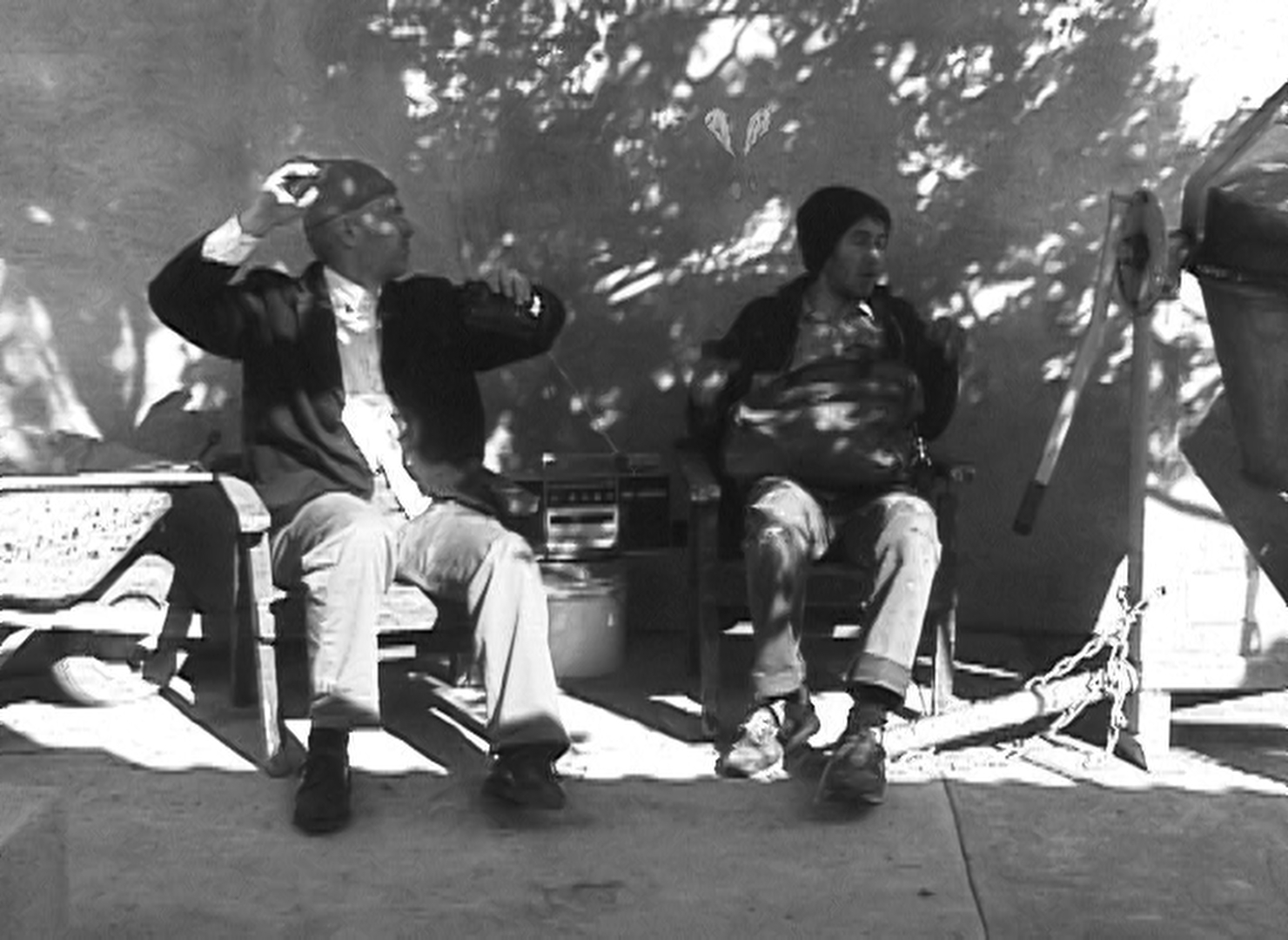
An absurdist comedy in the spirit of Harmony Korine. Lynch appears alongside his son, Austin Jack, as two oddball characters who speak in high-pitched voices and peculiar syntax. Their quiet afternoon is interrupted by a hulking creature demanding milk — the “Neighbor Boy.” The chaos culminates in an off-screen cavalry massacre of Indigenous people, a dark reminder of the violence embedded in the foundations of American suburbia.
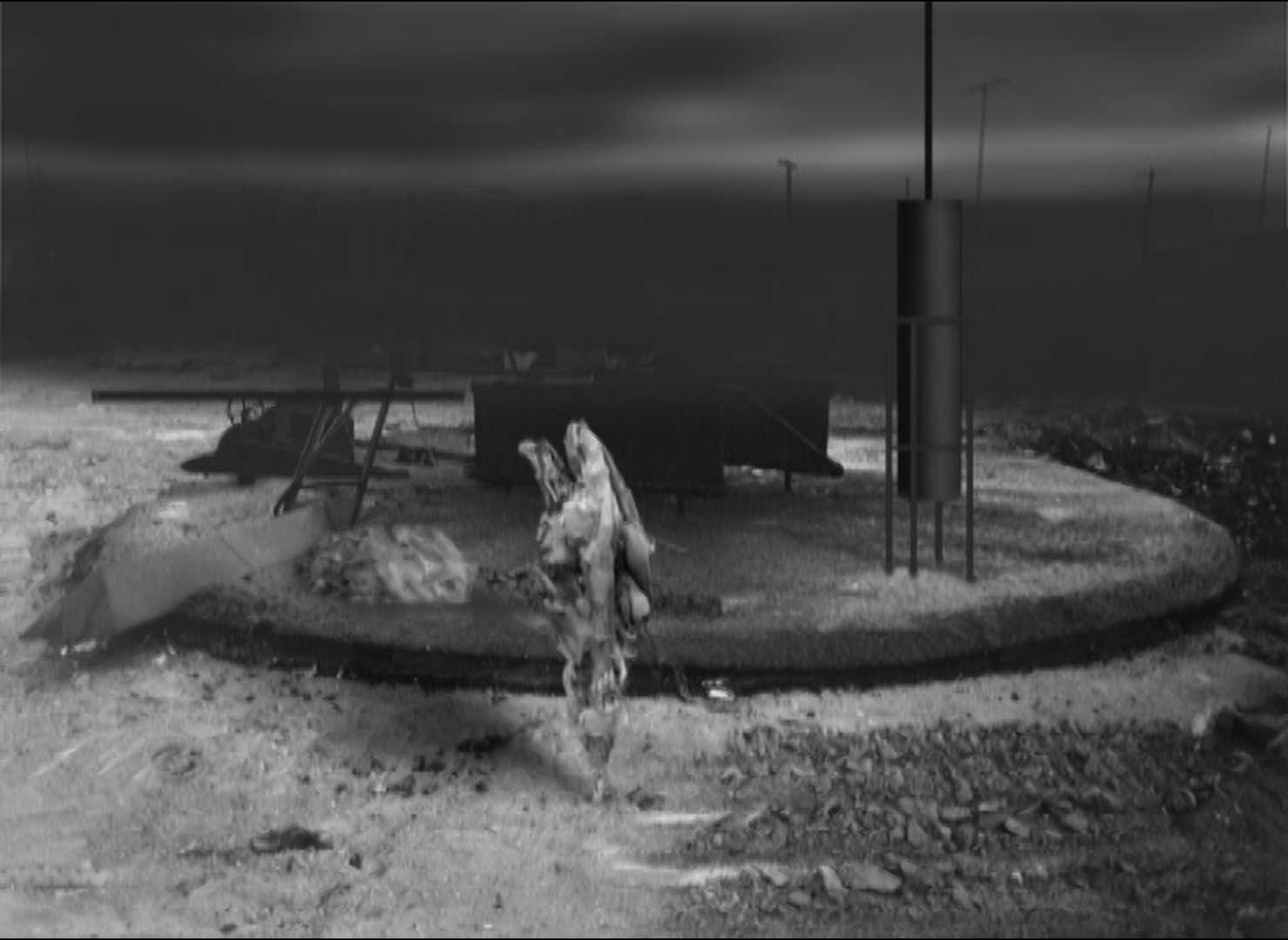
An animated vision reminiscent of Eraserhead, depicting the ruins of an industrial world through charred, broken landscapes accompanied by a grinding mechanical drone. Suddenly, the noise drops out and the screen goes black. Silence settles in — a brief, merciful pause, as if the earth itself were finally resting after the apocalypse humans brought upon it.
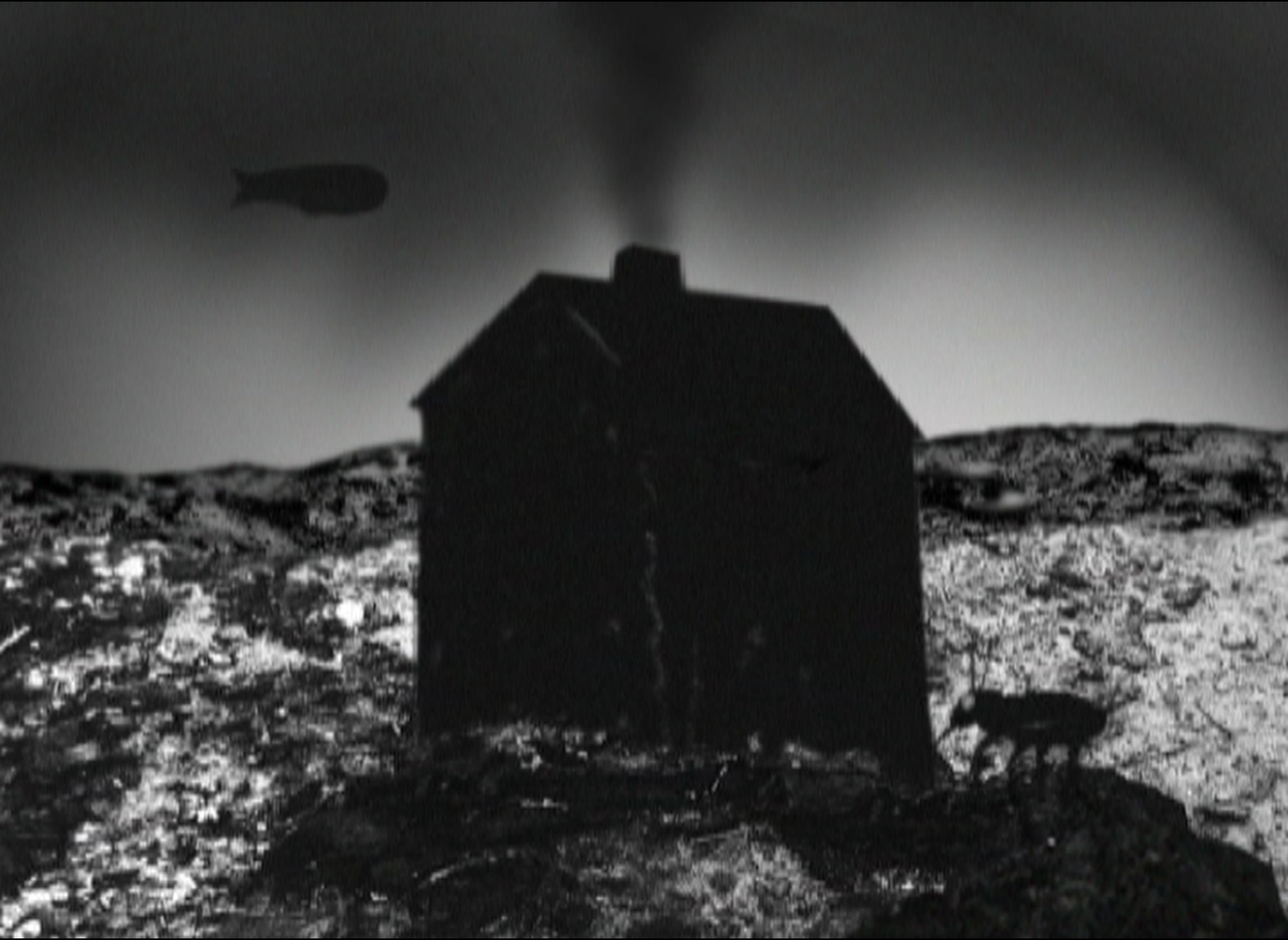
A stark, monochrome animation echoing Lynch’s earliest works like Six Men Getting Sick, The Alphabet, and The Grandmother. A lone insect crawls up the side of a house in a hostile, barren environment. Inside, we glimpse what appears to be experimentation — or torture — driven by crackling bursts of electricity.
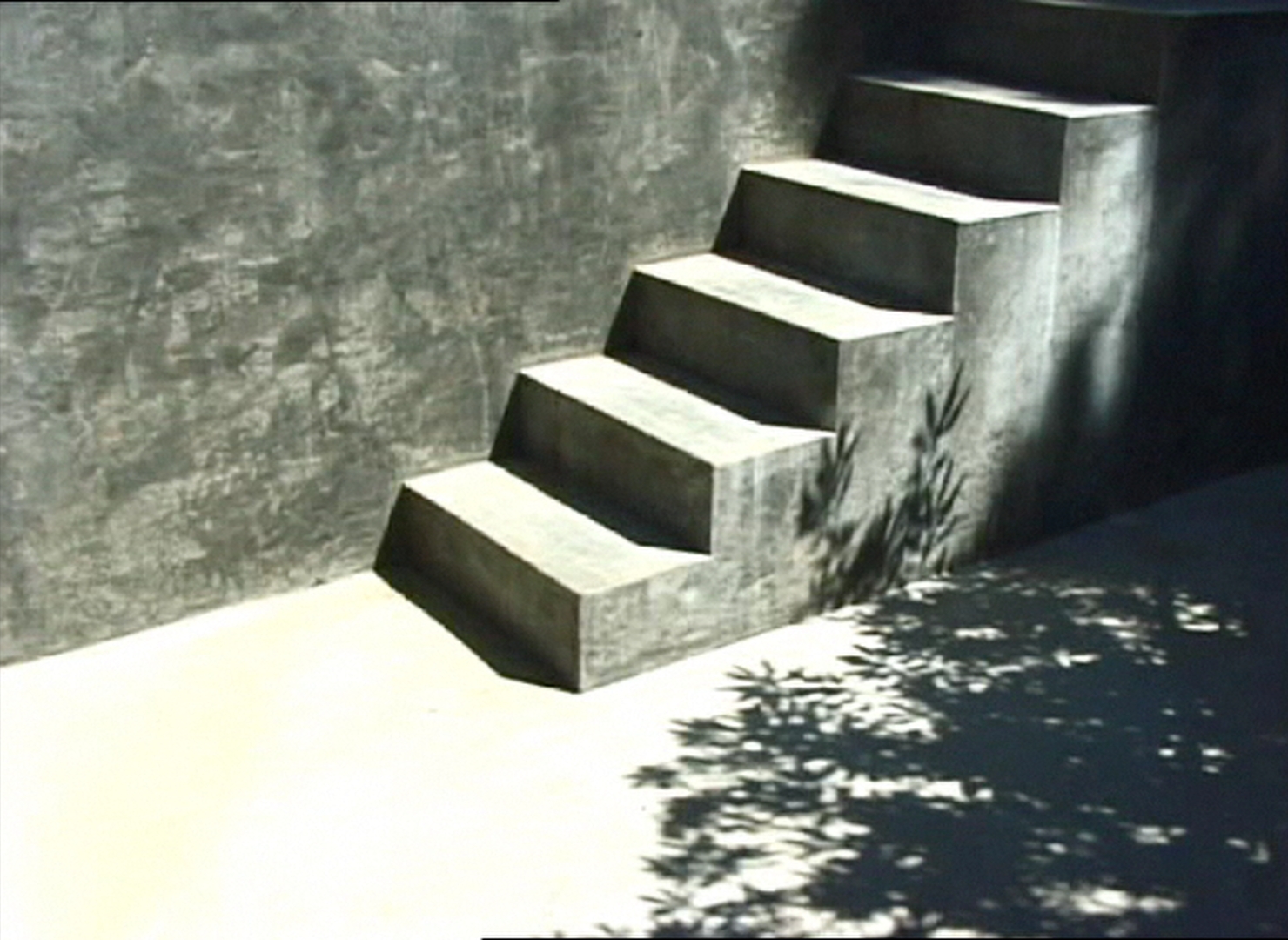
A visual study composed of three time-lapse sequences capturing sun-drenched places as darkness gradually consumes them. Thematically it echoes Boat, but here language is abandoned entirely. The slow pace, mechanical intervals, and the interplay between architecture and nature evoke the structural rigor of James Benning’s cinema.