


Suzannah Mirghani 1: Short film
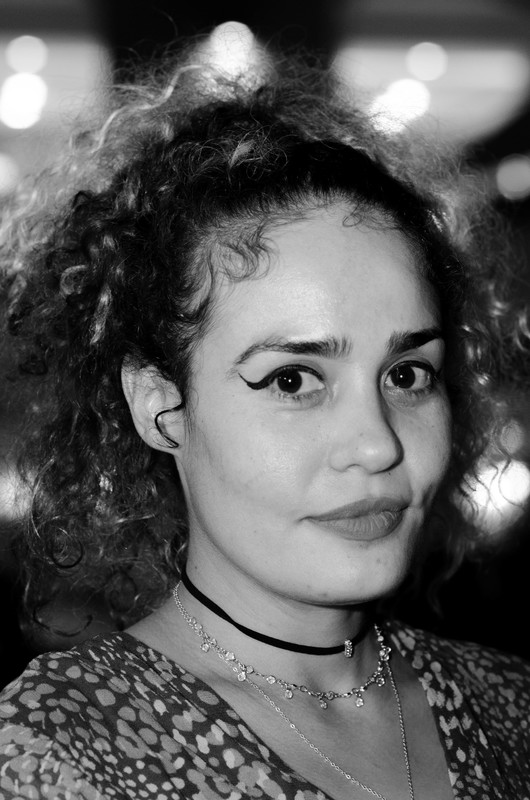
Suzannah Mirghani (Sudan) is one of the distinctive emerging voices in contemporary cinema, known for her visually striking and deeply personal stories about identity, culture, and the pressures of globalization. The Qatar-based filmmaker has gained particular recognition for her short film Al-Sit (2020), which has received international acclaim for its poetic expression and precise exploration of generational and political tensions. Mirghani’s work blends social observation with a subtle, almost mythic sensibility that grants her characters a rich and complex inner life.
Her first feature film, Cotton Queen (2025), premiered at the Venice Film Festival and builds on the themes of Al-Sit, expanding them onto a broader historical canvas. The film examines social control, personal freedom, and female self-determination in a setting shaped by tradition and economic power structures. With its refined visual language and ability to portray both intimacy and systemic conflict, Cotton Queen positions Mirghani as one of the defining auteurs of the global south, and her films continue to open space for new perspectives in world cinema.
In addition to the screenings, you can meet Suzannah Mirghani in a masterclass Thursday, presented in collaboration with the Short Film Convention.

Programme
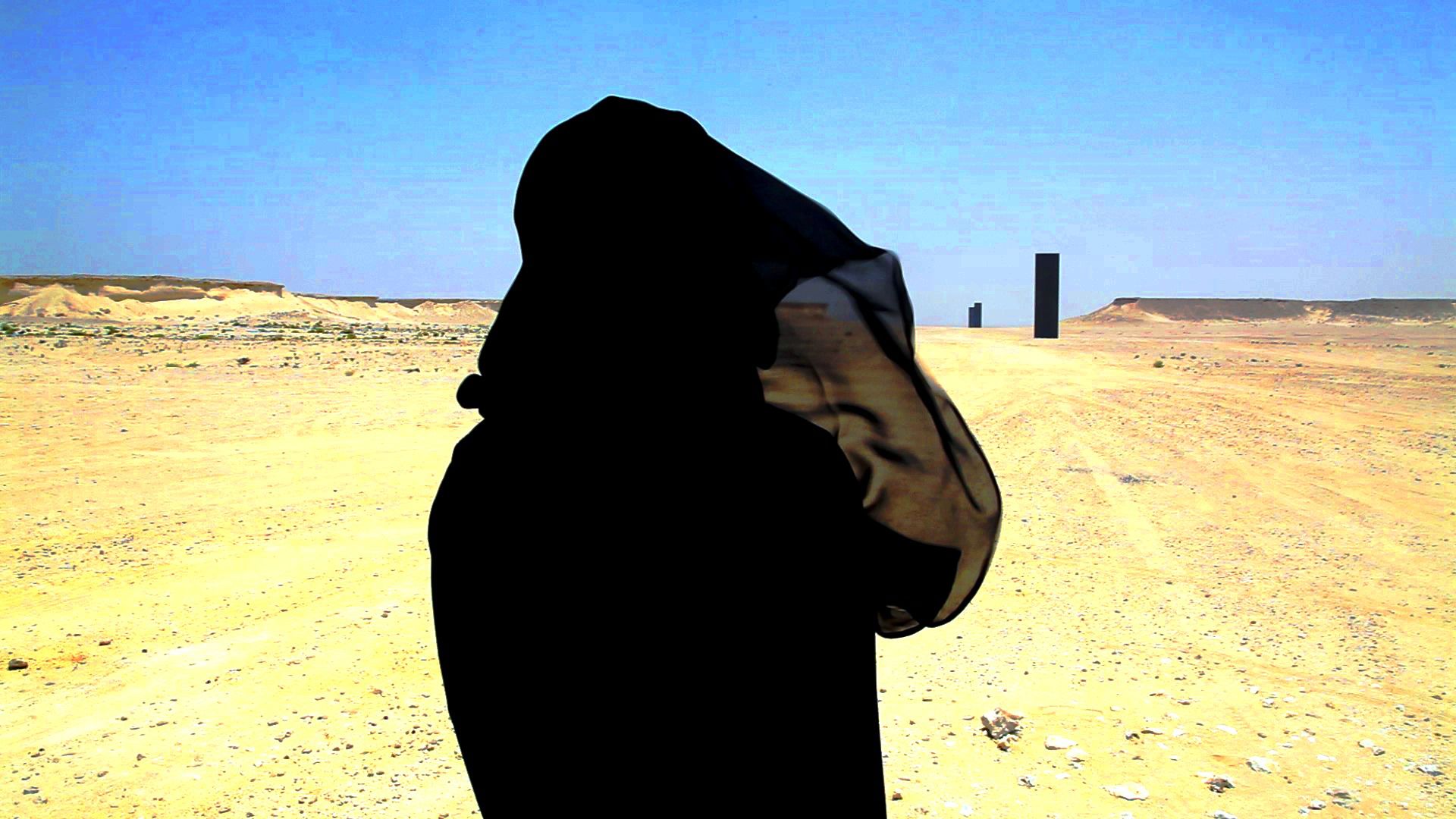
The Bedouin woman Hind recounts a strange dream in which she wanders alone through the desert, meets an old fortune-teller, and glimpses a futuristic city rising from the sands. The film weaves together dream and reality, revealing how hope can surface even beneath a harsh, desolate desert sky.

In a stalled traffic jam in Doha, the camera follows a cross-section of people — each in their car — as their inner thoughts and dreams unfold. The film’s fluid movement between characters paints a portrait of a transient society, a temporary city on the move.

Through flickering lights, floating kites and pianolas, the film creates a dreamlike, almost utopian portrait of Doha — a city living its own life, independent of its inhabitants. It explores hidden aspects of modernity: automation, alienation and the strange poetry of the urban.
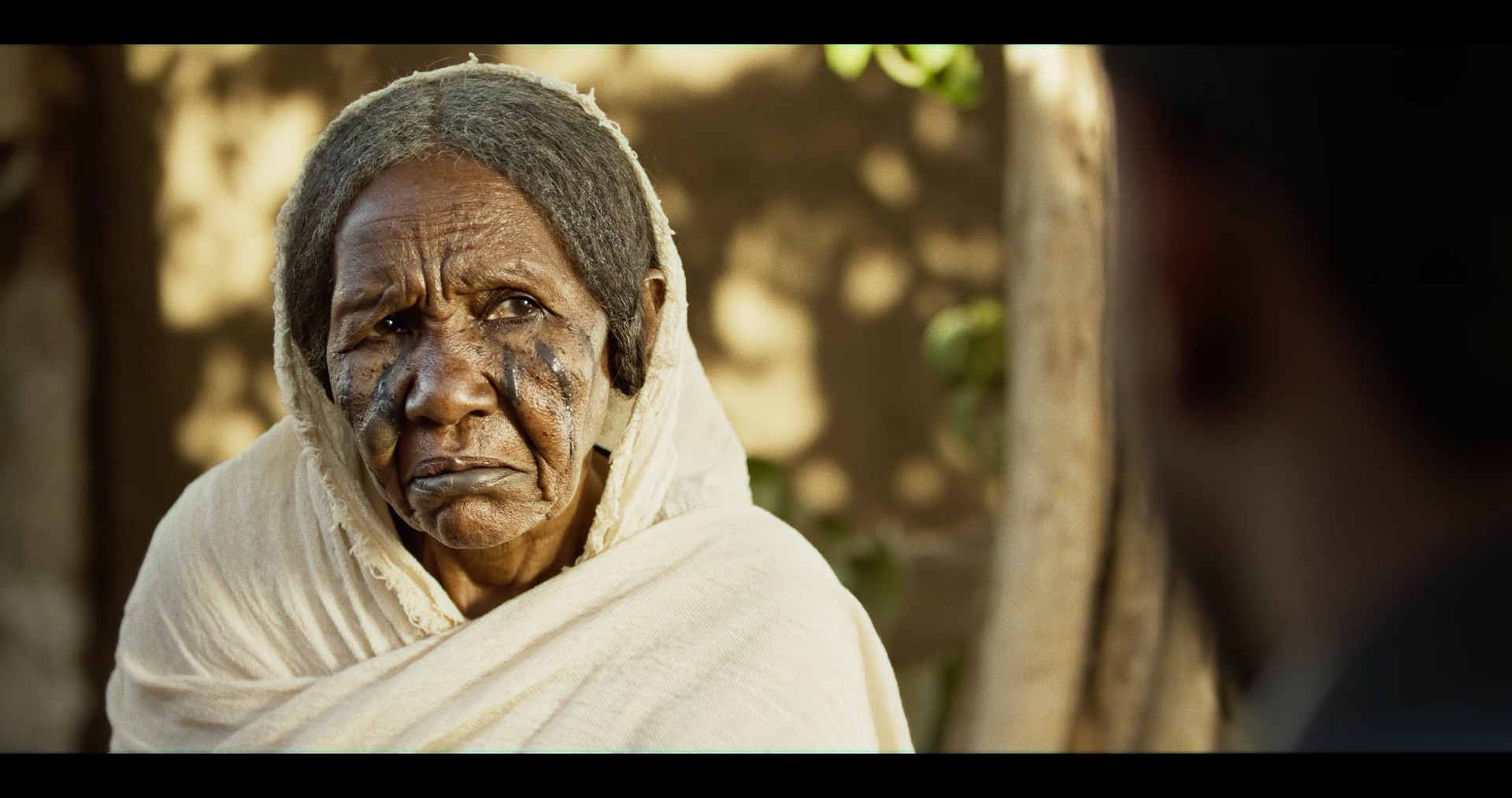
In a cotton-farming village in Sudan, 15-year-old Nafisa has a crush on Babiker - but her parents have arranged her marriage to Nadir, a young Sudanese businessman living abroad. But Nafisa’s grandmother, the powerful village matriarch Al-Sit, has her own plans for Nafisa’s future.

Suzi is the voice of her generation — the virtual voice, that is. She is lit by temporary outrage. A trending indignation. A passion that is fashion.
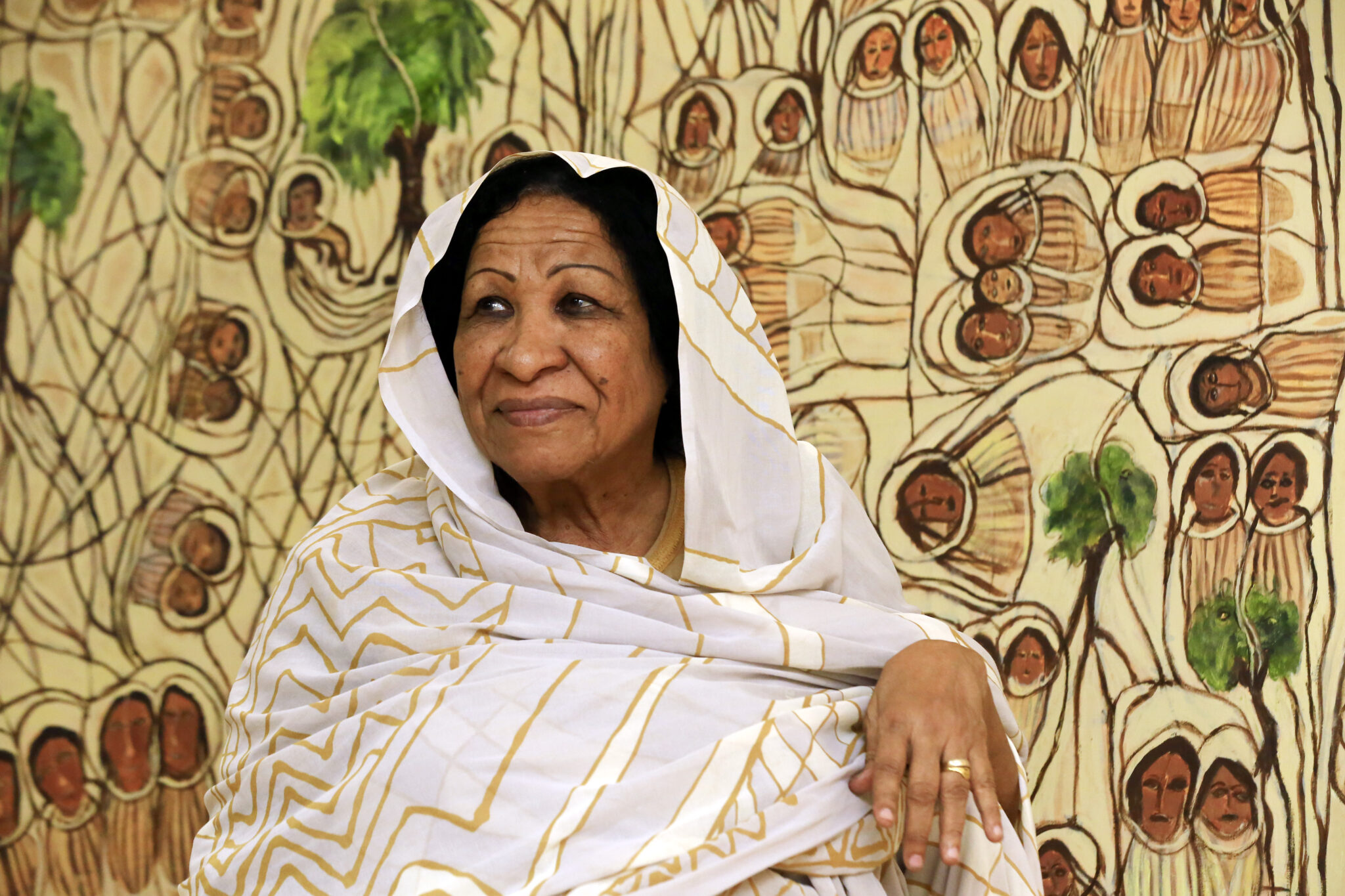
An artist profile of Kamala Ibrahim Ishag, commissioned by the Serpentine Galleries, celebrating the pioneering Sudanese artist whose work blends earthly and spiritual realms, exploring human connection to the natural world with a visionary and deeply personal aesthetic.