


David Lynch 1: Early Shorts
David Lynch (1946–2025) will remain one of the most distinctive and influential directors in film history – an artist who shaped modern film culture with his dreamlike imagery, uncompromising vision, and uncanny ability to make the unsettling beautiful. From Eraserhead through Blue Velvet and Twin Peaks to Mulholland Drive, he created some of contemporary cinema’s most iconic and enigmatic images and surreal narratives.
This program brings together six of his early short films – small, trembling glimpses of a filmmaker in the process of discovering his own voice. From the painterly stop-motion experiment Six Men Getting Sick and the dark, dreamlike student works to The Amputee, made during a break in the filming of Eraserhead with 'Log Lady' Catherine Coulson in front of the camera, we can sense the outlines of ideas that would later define his career.
The selection also includes Lynch’s contribution to the anthology film Lumière and Company (Lumière et compagnie, 1995), created by 41 international directors who were each tasked with using the original camera developed by Auguste and Louis Lumière.
In collaboration with Studentersamfundet Filmklubb.
Print Source: Norsk Filmklubbforbund / Nonstop Entertainment.


Programme
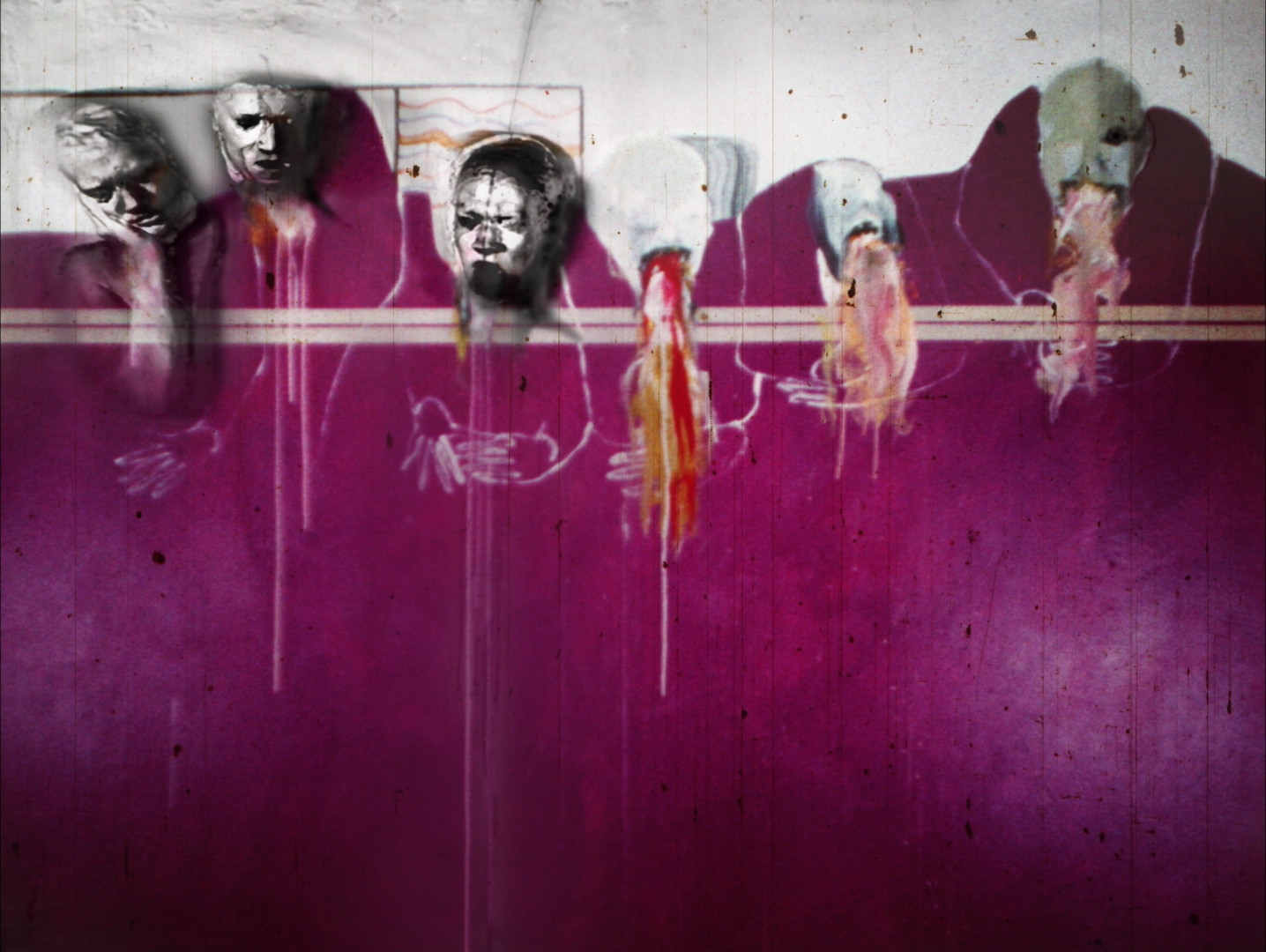
Lynch’s very first film, created during his studies at the Pennsylvania Academy of the Fine Arts, is a brief yet jarring collision of painting and cinema. This 16 mm stop-motion piece shows six figures vomiting in an endless loop, accompanied by a wailing siren. It is grotesque, primal – a clear sign of Lynch’s early fascination with human vulnerability and distorted inner worlds.
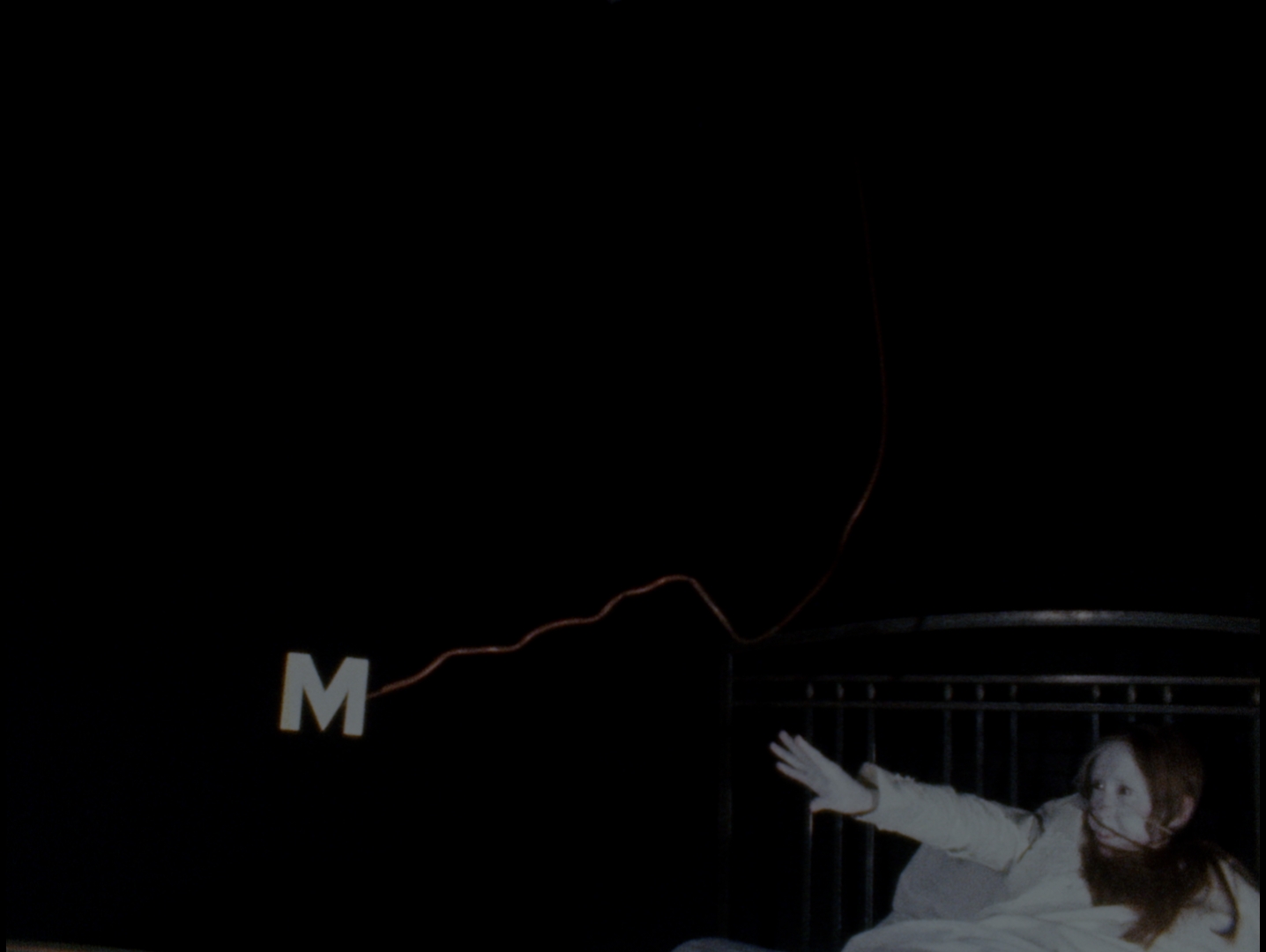
With The Alphabet, Lynch took his first step into live-action, and the result remains one of his most unsettling short films. Inspired by a nightmare experienced by the niece of Peggy Lentz, the film thrusts us into a claustrophobic realm where the alphabet itself becomes a torment, chanted endlessly by a childlike chorus. A woman trapped in this linguistic nightmare conveys a raw anxiety about expectation, social pressure, and the fear of being reduced to a mere fragment of the crowd.
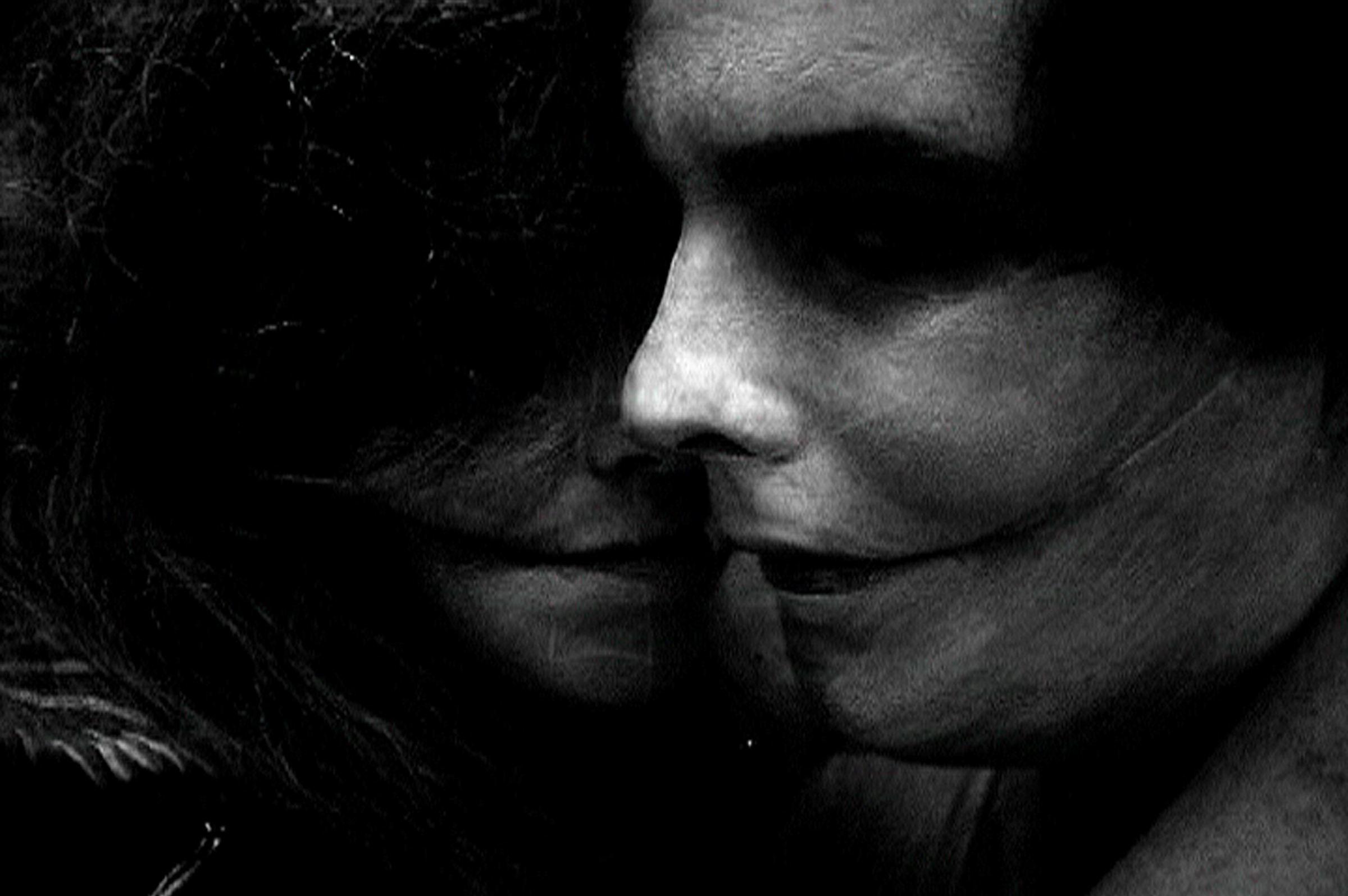
The film that truly launched Lynch’s career. A darkly whimsical tale about a boy who escapes his abusive home by cultivating a grandmother of his own. The film draws loosely from Jack and the Beanstalk, crafting a world where imagination becomes a final refuge – and the longing for comfort and care becomes both metaphor and survival instinct. It’s no surprise that the American Film Institute described it as 'a film that defies genre classification.'
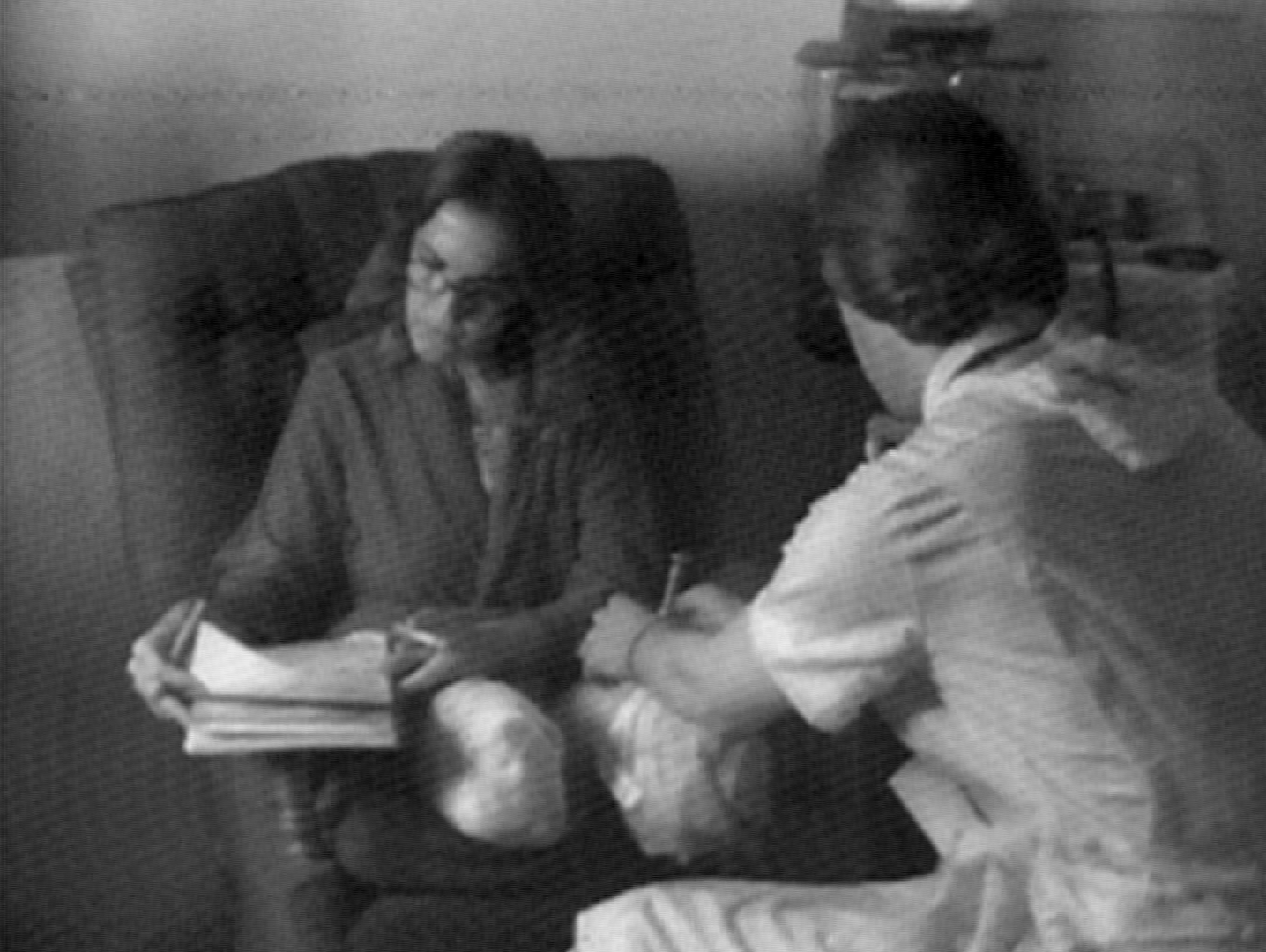
While Eraserhead was stalled in production, Lynch created his first fully live-action works – two versions of the same short monologue, recorded as camera tests for the American Film Institute. In both films, a legless woman sits writing a bitter, heartfelt letter while David Lynch himself appears as the nurse tasked with changing her bandages. The result is strangely mundane yet deeply uncomfortable, marking the beginning of Lynch’s collaboration with Catherine Coulson, later celebrated as the Log Lady in Twin Peaks.
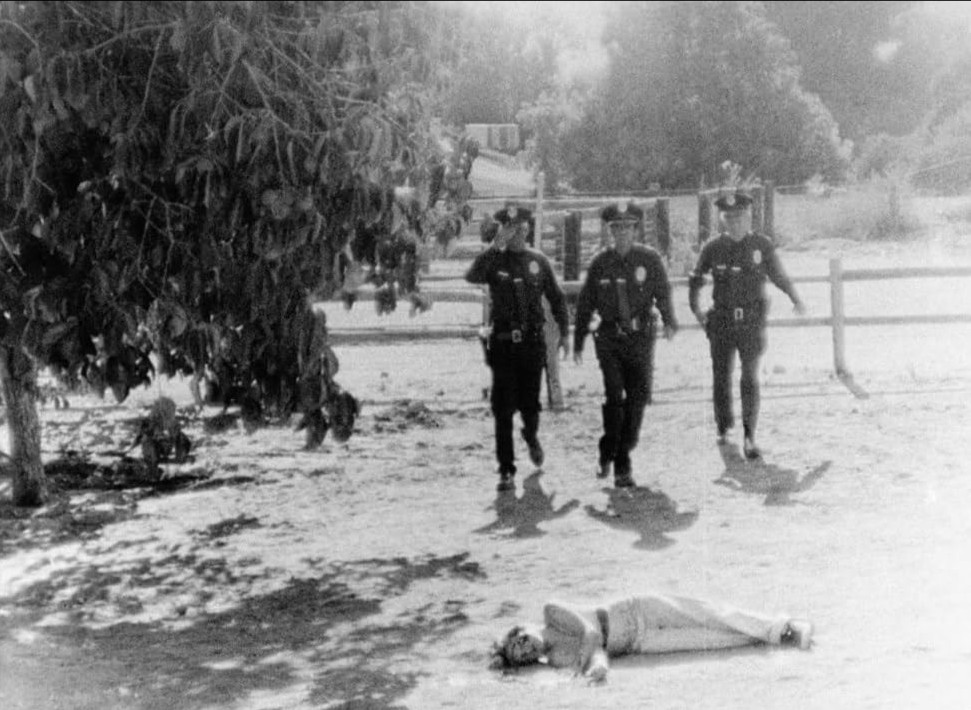
Lynch was invited to play directly with film history in Lumière et Compagnie, where 41 directors were challenged to make a short using the Lumière brothers’ original camera. In just sixty dense seconds, Lynch sketches the aftermath of a young girl’s death, intercut with abrupt, surreal tableaux: masked torturers, a naked captive, a bed standing alone in a forest. Short, brutal, and unmistakably Lynchian.