


Canon: Vigo & Resnais
Along with the films given attention in Short Film Studies Symposium, this is a contribution to forming a canon for short film - works recognized as particularly important and influential in film history. We begin with two French productions that clearly demonstrate how the short film format can serve as a powerful space for cinematic innovation.
Zéro de conduite (Jean Vigo, 1933) and Nuit et brouillard (Alain Resnais, 1956) represent two different yet central trajectories in film history. While Zéro de conduite opens the door to a new kind of personal, anti-authoritarian fiction film, Nuit et brouillard redefines the documentary as a critical and poetic tool. Both films stand as milestones of European film art, showing how short films can have a deep and lasting impact on cinema’s aesthetic, political and historical awareness.


Programme
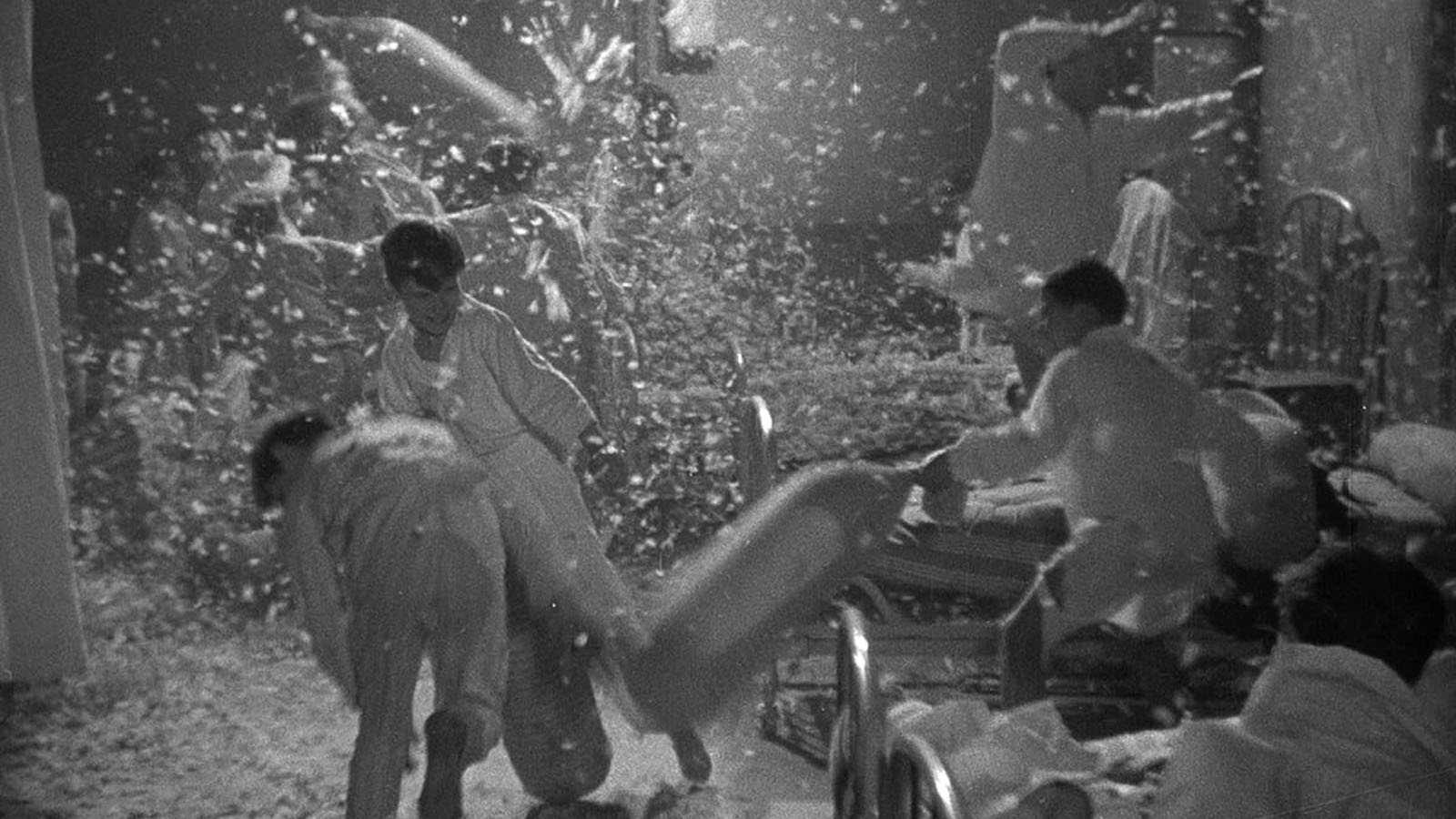
A group of boarding school boys rebel against the school’s authorities in a series of humorous yet poetic episodes. The film builds toward an anarchic uprising that challenges all discipline and order.
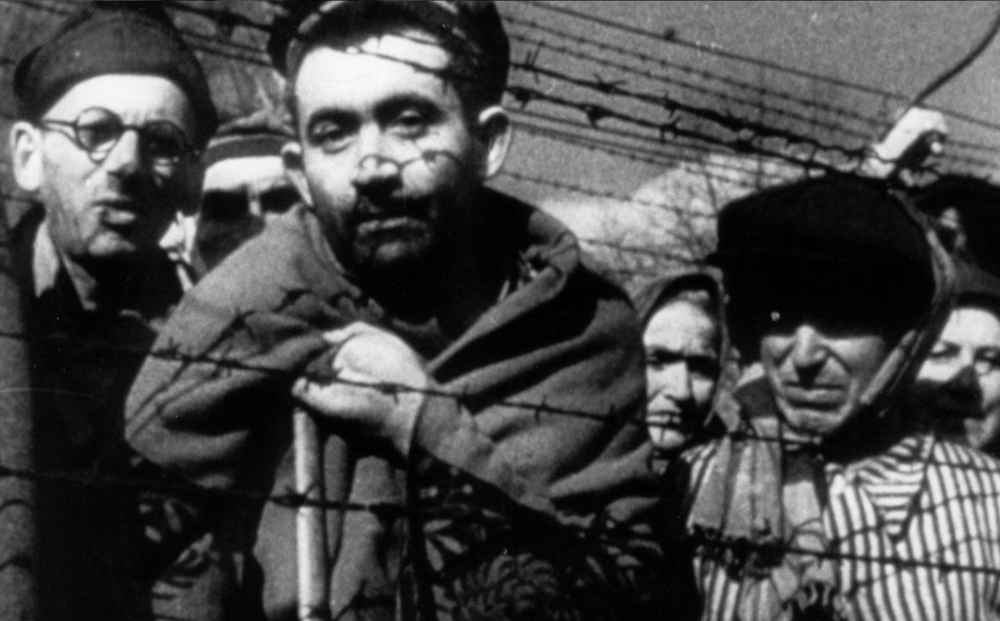
Through a montage of contemporary footage and archival material, the film depicts the reality of the Nazi concentration camps. A sober, poetic essay on memory, responsibility, and Europe’s darkest chapter.